Tag: Hollywood Finance

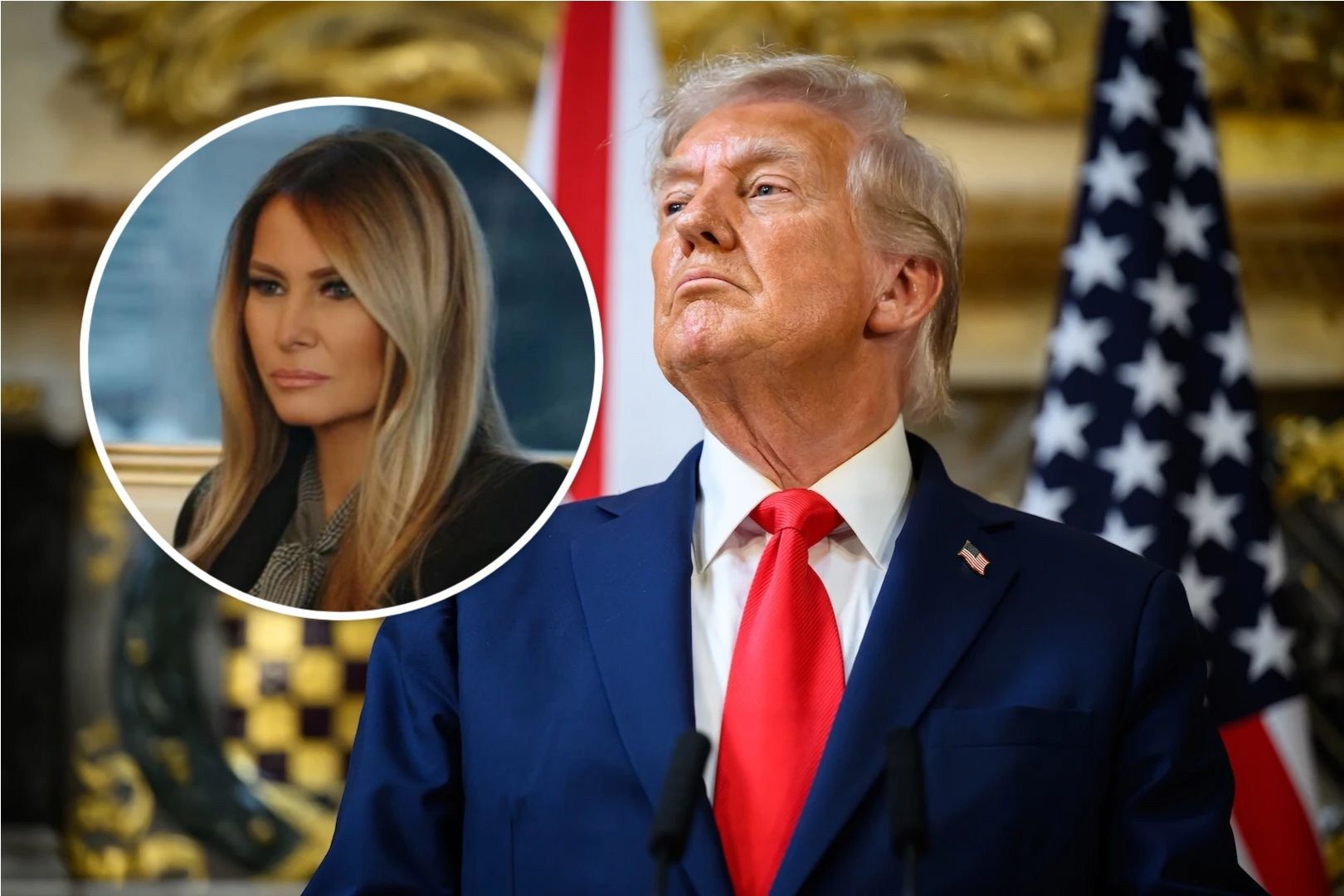
  • Trump gets $10.7M fee for Melania

    Featured image Trump gets 107M fee for Melania

    The intersection of Hollywood production and high-stakes finance often reveals more than just entertainment; it exposes complex dynamics of licensing, ownership, and personal wealth.

    A recent look at the financial dealings surrounding the Melania documentary involving Amazon MGM Studios suggests a complicated financial narrative for the studio itself. Reports indicate that the production may have resulted in significant losses for the studio organization.

    However, this story takes a sharp turn when juxtaposed with the financial disclosures of President Donald Trump. His 2025 financial disclosure report paints a dramatically different picture regarding associated licensing fees and earnings related to these high-profile media projects.

    The contrast is striking: while one entity may face losses from content creation, another reported substantial personal financial gains stemming from the same sphere of activity. This juxtaposition highlights the diverse ways large media ventures generate revenue and the separate financial outcomes for the parties involved.

    The story underscores how public figures navigate the complex world of intellectual property and licensing agreements, often creating narratives that sit at the center of public and financial scrutiny.

    Buy on Amazon

  • “Supergirl” To Lose Warners $100 Million?

    The Supergirl Rollercoaster: Post-Mortem on a Box Office Misstep

    Only one weekend into its theatrical run, the post-mortem reports for the blockbuster film Supergirl are already underway, and the early data paints a picture of a significant financial stumble.

    The opening has been widely viewed as a misfire. Despite the massive hype surrounding the DC-themed entry, the film managed to pull in only $38 million in North America and $68 million globally during its initial weekend.

    Looking ahead, projections suggest the film will need a substantial hold to salvage its performance. Estimates indicate that to reach a domestic gross of $100 million and a global total between $200 million and $210 million, the theatrical run must be sustained aggressively.

    This is where the financial reality gets complicated. Industry trade whispers suggest that if those higher targets are not met, the studio could face a staggering loss of between $80 and $120 million from the theatrical release alone.

    The scale of the gamble is further illustrated by the high costs involved. The production itself reportedly cost Warner Bros. around $170 million, with an additional $120 million spent on marketing efforts. Yet, sources point out that even factoring in these massive expenditures, the film’s breakeven point sits at a whopping $300 million—a figure critics note is surprisingly low for a production of this magnitude.

    The disconnect between investment and return is stark. A key factor in this financial puzzle centers on compensation. Insiders suggest that the lack of backend deals for the cast and creative team means that no one is capturing the first-dollar grosses, making the profit calculation incredibly challenging.

    This issue extends to the talent involved. Even the title role, played by Milly Alcock, reportedly received only $400,000 for her work, highlighting how tightly financial structures can constrain potential returns even for major stars.

    The performance follows a difficult stretch for Warner Bros., as the film’s struggles arrive amidst other recent releases. This unfolding story serves as a stark reminder that massive opening numbers do not guarantee a successful theatrical run when the underlying financial mechanics are misaligned.