The Unbreakable Bond: How Female Solidarity Finds Its Voice in Cyprus
In a landscape marked by displacement and difficult choices, true strength often emerges not from individual resilience, but from shared experience. Cypriot writer and director Tonia Mishiali explores this profound truth in her emotionally resonant film, charting how female solidarity can transcend the boundaries of class and race.
The story unfolds with Mariama (Sokhna Diallo), a Senegalese immigrant navigating the harsh realities of life in Cyprus. After turning eighteen, Mariama faces an abrupt shift: she is turfed out of a special facility for child refugees and must fend for herself with no papers or prospects. With a lion behind her and the sea in front, the path forward is daunting, forcing her to sneak back to the facility at night.
It is here that Mariama encounters Stella (Elena Kallinikou), the taciturn cook and cleaner who manages the daily routine of this confined space. Stella herself carries a complex history, having been forced to suppress difficult emotions linked to a dark past in order to secure a semblance of a future for herself. As Stella struggles to find stability—seeking an apartment as a rung on the ladder toward reuniting with a daughter she had taken from her—she navigates her own internal battles.
Stella’s life is fraught with tension, particularly concerning sobriety and past mistakes. While working at the facility, which is part of a drug rehabilitation program, Stella must constantly undergo urine tests. In a quiet act of mutual understanding, she offers Mariama temporary shelter in exchange for privacy, creating an unexpected bond built on shared vulnerability.
Mishiali masterfully charts the maternal relationship that blossoms between these two women. Despite Stella‘s chronic sense of shame, she remains hesitant to unload her demons, but through shared existence, a genuine and surprising strength emerges. The film captures the profound connection forged when women support one another through their deepest fears.
One of the most quietly moving moments illustrates this unspoken trust: Stella attends an essential dance therapy session, finding that physical movement alone allows all her secrets to surface, reminding the viewer that healing often comes through physical expression rather than words.
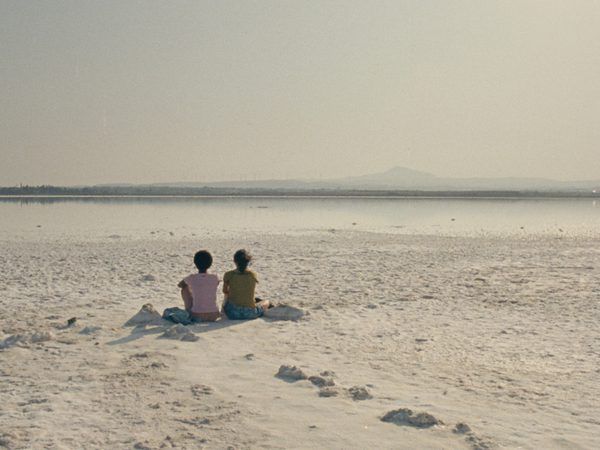
Through gorgeous 16mm photography, Mishiali and cinematographer Manu Tilinski immerse the audience in the idyllic, sand-blasted landscapes of the Cypriot coast. The visuals beautifully capture not only the stunning scenery but also the hidden stories woven into the expressive faces of the two protagonists.
As the narrative progresses, things take a darker turn. Stella is forced to reconnect with some difficult old acquaintances to secure the money needed for a down payment. This shift pushes the focus onto the intensity of their bond, underscoring just how strong their connection is in the face of external pressures.
Ultimately, the film avoids the trap of mere sentimentality or depressive disaster. It serves as a powerful testament to the necessity of female solidarity and mutual care, especially within environments rife with repellent male operators. Tonia Mishiali delivers a deeply moving story that leaves the audience with a profound sense of authentic continuity.
Credit: Little White Lies