6 radical film discoveries from the 2026 BFI London Festival
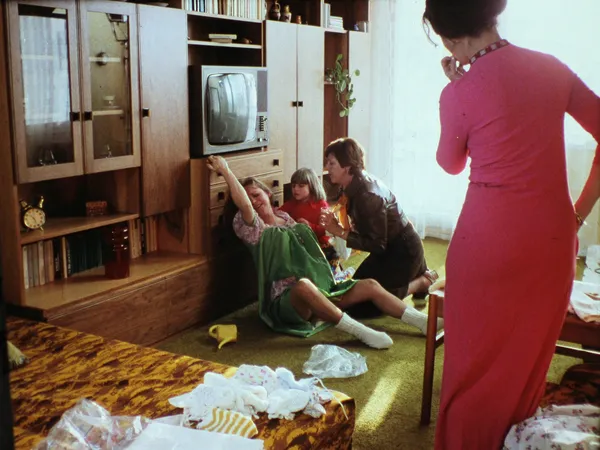
Beneath the dazzling spectacle of major film events, the BFI London Film Festival proved once again to be a vital beacon for cinema that is radical, urgent, and wonderfully unexpected. While star-studded galas drew the crowds, the true gems of this year’s programme lay in the vast collection of underseen treasures, offering a profound look at films that challenge convention and resurrect urgent agendas for the present day.
This year’s selection of 251 film titles was a rich tapestry woven from unflashy, unflinching documentary and deeply personal, experimental works. It is a guide to the cinematic vanguard, resurrecting filmmakers of the past and pushing boundaries for the future, often positioning cinema as a powerful mouthpiece for marginalized voices.
The festival champions the avant-garde with dedicated spaces like Experimenta and national recognition, such as the Grierson Prize, ensuring that the esoteric and experimental always find a home. But beyond the red carpet premieres, several directors are emerging as names to watch, promising to shatter expectations for years to come.
Diving into the festival’s highlight reel reveals a fascinating convergence of themes, from history and social collapse to the architecture of identity and the lingering impact of conflict.
One striking thread runs through the programme, exploring the texture of modern life. Věra Chytilová’s Panelstory, or How a Housing Development is Born offers a deep dive into concrete-adjacent cinema. Through this work, she constructs a feminist, bizarre melodrama centered on late-stage housewives surviving a brittle, concrete deluge, using liminality and jazz to capture the offbeat city symphony of the 1970s Soviet regime.
Equally compelling is the exploration of memory and documentation found in the work of Mark Cousins. Through his celebrated essay film, The Story of Documentary Film (1990s), Cousins guides viewers through a global history of documentary. His work doesn’t just showcase world-shaking footage—from the microcosms of Claude Nuridsany to the battered relics of conflict in The Death of Yugoslavia—but fundamentally reexamines collective Western memory, reminding us of cinema’s singular ability to recall what humanity often chooses to forget.
The festival also provided poignant tributes to filmmakers whose work grapples with historical weight. Mohanad Yaqubi’s Revolutionaries Never Die offers a moving eulogy for radical documentarian Jocelyn Saab. Yaqubi uses unedited analogue footage to explore the impact of war on domestic territory across regions like Lebanon, Palestine, and Iran. His tribute suggests that film can offer a necessary space for analysis, examining how conflict inhabits habit, ritual, and practice.
Further showcasing the range of cinematic exploration are works that delve into identity, activism, and the aftermath of censorship. Theo Rollason’s Queer Edward II offers a jubilant, behind-the-scenes look at the fraught production of Derek Jarman’s epic, utilizing rare archive footage to capture the spirit of 1990s queer activism and the artists involved.
The focus on personal experience and difference continues with Kamal Aljafari’s Masao Adachi Takes a Passport Photo. This short film uses the lens of normalcy to explore the life of a disenfranchised artist, capturing the palpable silence of shared encounters. It is a rejuvenating, humanist fable that addresses the complex aftermath of censorship and revolution.
Finally, Beatrice Gibson’s At Night returns with accolades, weaving a diaristic tale immersed in synth and Parisian hallucinogens. Described as “choral autofiction,” the film explores themes of sex, desire, motherhood, and difference, positioning its characters as objective observers of their own lives. Gibson masterfully uses the camera to articulate difference as whispers intruded on, layered amidst the murmur of a late-night bistro.
Buy on Amazon
Credit