A beautiful successor: Sense and Sensibility review
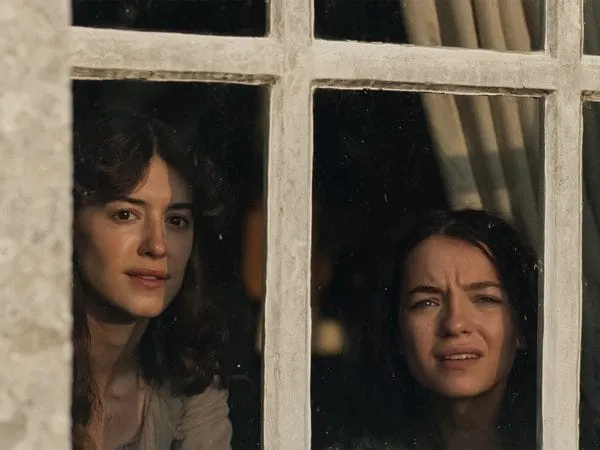
Jane Austen’s timeless romance, Sense and Sensibility, has long occupied a cherished place in cinema, thanks to iconic adaptations. But when filmmaker Georgia Oakley stepped into the narrative, she didn’t just revisit the classic; she dusted it off, stirred it up, and gave it a moodier, more visceral life.
While Ang Lee’s 1995 version remains a benchmark of wit and romance, Oakley’s approach offers a refreshing departure. She strips away some of the polished elegance, trading pristine interiors for a rawer, more naturalistic aesthetic. The film beautifully juxtaposes the refined world of the Dashwood sisters with the untamed landscape surrounding them. Here, the contrast between the social restrictions of the Regency era and the wildness of nature feels intensely stark, mirroring the tumultuous emotions bubbling beneath the surface of the characters’ lives.
At the heart of the story is the family dynamic following the death of their father. Elinor, Marianne, and Margaret are left navigating financial uncertainty and emotional complexity. Their journey is defined by contrasting responses to life and love. Elinor seeks quiet composure, attempting to keep her feelings tightly guarded, while Marianne plunges headlong into passion, insisting that life should be felt with every ounce of intensity.
This divergence sets the stage for some truly fascinating relationships. Elinor’s reserved demeanor creates a compelling contrast with her sister’s impulsive pursuit of emotion. Meanwhile, the romantic prospects offered to the sisters are equally nuanced. Edward Ferrars presents a figure of restrained charm, while Willoughby offers a slippery, irresistible allure that pulls Marianne into a whirlwind of immediate desire and complex consequence.
The ensemble cast brings this dynamic to life with remarkable depth. Esmé Creed-Miles captures the vibrant, unguarded spirit of Marianne, embodying a wild vivacity that captivates the screen. Daisy Edgar-Jones portrays Elinor with a quiet composure that leaves her feelings palpable, especially in her profound bond with her sister. Their connection becomes the true emotional anchor of the story, demonstrating that the strongest romance often resides in the sisterhood itself.
The supporting characters inject necessary comic relief and social commentary. Fiona Shaw shines as Mrs. Jennings, whose enthusiastic matchmaking and complete disregard for discretion inject a much-needed dose of chaotic energy into the Dashwoods’ lives. Even the male figures are wonderfully complex; George MacKay’s portrayal of Edward is subtly frustratingly elusive, and Herbert Nordrum brings a brooding dignity to Colonel Brandon.
Oakley’s decision to approach Austen on her own terms results in a film that is less about imitation and more about genuine emotional truth. It doesn’t seek to compete with the beloved blueprint, but instead finds a fresh, contemporary edge in exploring how young women navigate societal expectations. In doing so, the film reminds us that the rules of society may be rigid, but the landscape of the heart is anything but.
Buy on Amazon
Credit