Aaron Sorkin on directing mistakes
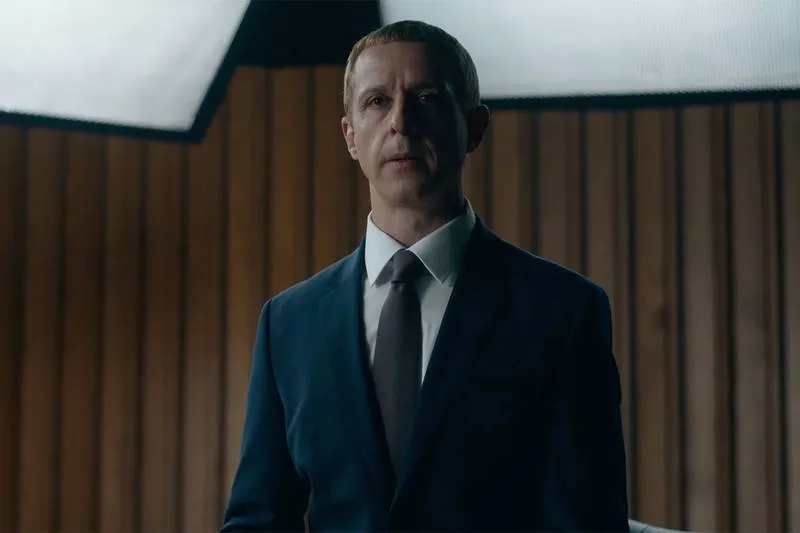
Aaron Sorkin, the architect behind some of Hollywood’s most iconic dialogue—from the frenetic energy of The West Wing to the sharp wit of The Social Network—has recently offered a surprising dose of humility. In an industry often defined by towering egos and unshakeable confidence, Sorkin has openly confessed self-doubt regarding his abilities as a director, a candid admission that cuts through the typical Hollywood polish.
Sorkin’s mastery lies undeniably in the script; he has penned legendary screenplays for films like A Few Good Men, Moneyball, and Steve Jobs, alongside creating acclaimed television shows such as The Newsroom. Yet, when he ventured into the demanding world of visual storytelling, the results were more nuanced. His foray into directing, including Molly’s Game, The Trial of the Chicago 7, and Being the Ricardos, garnered praise for the scripts and performances but often left viewers debating the direction itself.
Speaking about these experiences, Sorkin admitted that the journey into directing exposed a gap between his screenwriting genius and the practical science of filmmaking. He noted that working with established directorial auteurs like David Fincher and Danny Boyle did not necessarily instill the visual sensibility he sought.
“I was surprised by how little of the science of filmmaking I’d managed to absorb. I have no visual sensibility, it turns out… There’s a big part of me that feels like I just got into the movie business a few minutes ago, and that there’s so much I don’t know.”
This reflection touches on a deeper philosophical point about talent. When asked about the teachability of screenwriting, Sorkin offered a nuanced perspective, suggesting that while certain aspects of the craft can be learned, others remain innate. He posited that if talent is measured by what cannot be taught, then the parts of directing he struggled with might be those truly unlearnable.
The contrast between his acclaimed writing and his directorial uncertainties is perhaps most evident in his choice of projects. When faced with a high-profile film, Sorkin opted for a project that reflected a more personal artistic choice rather than chasing external validation. He ultimately helmed a $40 million production that, despite the ambitious scope, achieved a modest $15 million worldwide gross so far, choosing a path defined by personal authorship over blockbuster expectations.
Buy on Amazon
Credit