Affleck on Justice League Reshoots: A Low Point
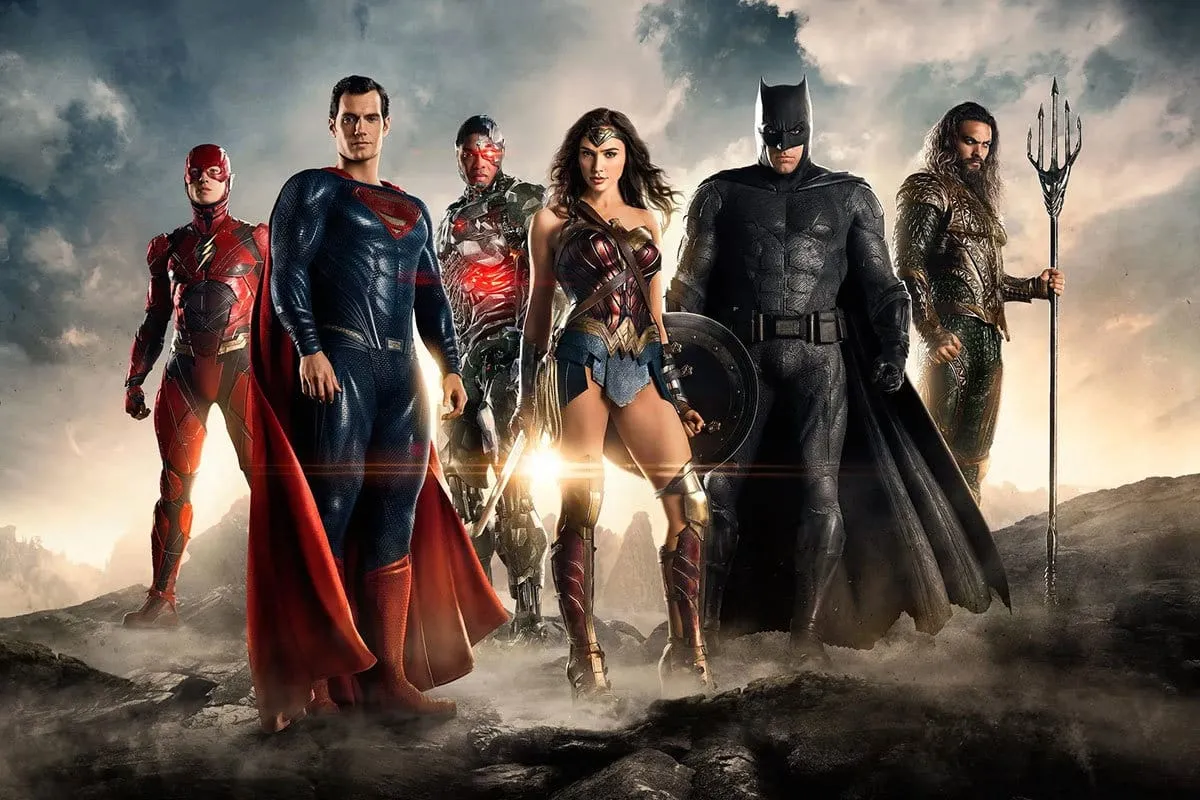
Ben Affleck delivered a stark assessment of his experience with the reshoots of Zack Snyder’s Justice League, calling the entire ordeal a low point in his career. This sentiment stems not just from the cinematic outcome, but from the tumultuous way the project unfolded and the way the studio handled the production’s end.
The friction between the filmmaker and the studio became particularly acute when discussing Snyder’s departure. Affleck revealed his anger regarding how Warner Bros. Pictures managed the situation following his daughter’s death, viewing the subsequent changes as an inappropriate excuse.
Affleck had initially envisioned a different path for Batman, planning a standalone movie where his take on the character would delve into the grim realities of Arkham Asylum, with Joe Manganiello’s Deathstroke serving as the primary antagonist. However, the events surrounding Justice League derailed this ambition.
“I was considering at a time directing a standalone Batman movie after that and did not feel like ultimately I wanted to do that,” Affleck explained. He felt the experience of the reshoots was so profoundly negative that it extinguished his desire to pursue a separate cinematic vision.
The core of his frustration lay in the perceived disconnect between the creative vision and the corporate environment. He felt that the process demonstrated a fundamental error: when the studio is at odds with the filmmaker, starting at the worst possible point is simply making a mistake.
Affleck described the handling of the project as deeply disturbing. He suggested that the environment and atmosphere surrounding the production, which he only heard about secondhand, felt incredibly grim. He lamented that the manner in which Snyder was removed and the subsequent reshoots were handled felt incredibly crass, noting that the personal tragedy involved eclipsed everything else.
Ultimately, the narrative surrounding Justice League pivoted when Snyder was given another opportunity to revisit the film. The studio provided additional funding, allowing the filmmaker to complete the longer, and ultimately more critically acclaimed, version of the movie, demonstrating that even amid personal turmoil and industry conflicts, the creative project could find its way to completion.
Buy on Amazon
Credit