AI Studios vs Traditional: How to Create IP
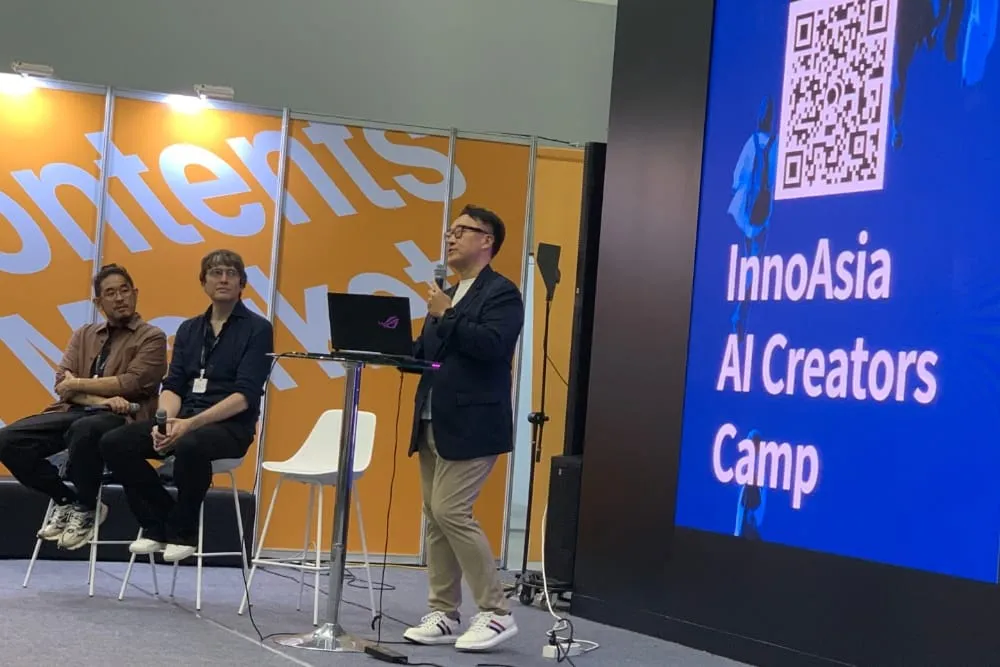
The future of intellectual property in the visual effects and film industry is being defined by a fundamental shift in how content is created and controlled. This transition is creating a fascinating dichotomy between the nimble, automated power of new technology and the established, infrastructural dominance of traditional studios.
VFX veteran Hong Jae Cheol, a producer-director and a key figure in the industry, observes a stark division in how ownership and advantage are currently held. On one side, we see the rise of small, AI-native companies. These innovators are leveraging automated pipelines to generate their own intellectual property, demonstrating that sophisticated IP can now be forged through efficient, automated processes.
In contrast, traditional studios maintain their leverage through established, formidable advantages. These behemoths rely on deep reservoirs of existing franchises, massive production infrastructure, established talent pools, and powerful distribution networks.
This dynamic highlights a growing tension in the creative economy: the balance between agile, technologically driven creation and the institutional power of legacy systems. The shift suggests that while new methods offer unprecedented creative freedom, the established structures still dictate the landscape of industry power.
For those navigating the modern creative landscape, this divergence is more than just an academic observation; it signals a rapid evolution in the ownership of creative assets and the methods by which value is generated in the age of artificial intelligence.
Buy on Amazon
Credit