Amanda Kramer: The fear of being beautiful
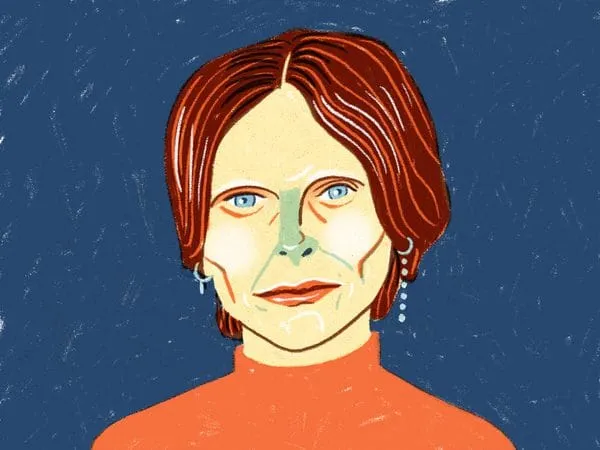
What happens when we start swapping identities? The curious landscape of imitation, gender, and fandom serves as a powerful springboard for the absurdist comedy By Design, a film that delves deep into the strange, physical nature of being.
Filmmaker and artist Amanda Kramer explores this fascinating tension in her work. Her cinematic journey takes us into the world of body-swapping and objectification, using the premise of a woman desperate to trade places with a wooden chair to probe complex questions about obsession, imitation, and the very nature of embodiment.
In By Design, the film moves beyond typical body-swap narratives. Instead of merely learning to appreciate one’s existing life, the story of Juliette Lewis and the chair investigates the desire to contain and possess—to turn raw material into furniture. This exploration is deeply connected to the idea of objectification, asking how we perceive the world, and how we perceive ourselves within it.
Kramer suggests that the impulse to want to be someone else is fundamental. She poses the question: why wouldn’t we want to contain the multitude of a thing that holds love and respect, like an old music box? The film treats the act of transformation, whether physical or conceptual, as something almost religious, exploring the bittersweet reality of wishing to be something else before finding gratitude in the current state.
The film draws a sharp line between the complex relationships of human connection and the simpler relationship with objects. By examining how women have historically been likened to furniture—a vacuum, a table, a chair—Kramer highlights the tension women constantly face in performing societal functions while their interior lives remain inaccessible. This is the core of the film’s emotional weight.
Kramer suggests that identity itself is often a performance. We carve identities and personas by imitating others, whether through fashion, travel, or style. This process, she argues, is a choice—a form of contemporary Warholian existence where we ally ourselves with other personas to navigate the world. It is through imitation that we discover ourselves.
The film’s visual and aesthetic choices further support this theme. While cinema often focuses on the flesh, Kramer finds a more elemental, almost orgiastic energy in working with material. She sees furniture makers as people profoundly in touch with their bodies, finding a raw, unmannered honesty in the process of touching and building, which she finds more compelling than the often mannered presentation of cinema.
This quest for understanding is amplified by her creative influences. The visual brilliance of Joanna Hogg’s short film Caprice”>Caprice inspires a sense of intimidating, performative perfection. Kramer views the emotional journey in Caprice”>Caprice as an epic journey, making the experience of beauty feel both gorgeous and slightly sinister, without ever condemning it. It leaves the viewer with a profound sense of beauty laced with deep, unsettling feeling.
Furthermore, the film’s collaboration with legend Udo Kier added a powerful layer of subtext. Kier, known for his wonderfully manic and interpretive approach to acting, brought a distinct, wild mythology to the narrative. His presence added an extra context—a history of eighty years of life—that provided an additional, humbling layer to the story of embodiment and desire.
Ultimately, By Design is an ongoing conversation about where we place ourselves and the attention we give to our surroundings. Whether it’s the arrangement of furniture in a room or the act of imitation in life, the film asks us to slow down, to simply be, and to find the quiet, powerful presence within that stillness.
Buy on Amazon
Credit