Angel and the Badman Remake Review: A Bland Western
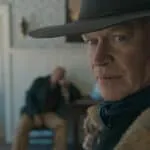
The Promise of Mercy on the Dusty Trail
Every great Western story hinges on a stark choice: the brutal reality of the outlaw life versus the unexpected grace of human connection. This is the foundation of Angel and the Badman, a remake that attempts to capture that eternal tension. It follows Quirt, a wounded man on the run, whose desperate flight is halted not by a drawn sword, but by the unexpected mercy offered by Penny, the rancher’s daughter. The narrative quickly shifts from a chase through unforgiving landscapes to a complicated exploration of love, forcing the outlaw to confront not only the law pursuing him but the kind of man he is determined to become.
The film attempts to tap into the classic Western mold, but when you examine the machinery behind the spectacle, some seams begin to show. While the premise is inherently compelling, the execution struggles to deliver the visceral impact that a story of violent history demands. The film orbits around a morality that is too neatly resolved, offering little room for the morally gray complexities that define the era it seeks to evoke.
A standout element remains the cast, particularly the magnetic presence of Tommy Lee Jones. His performance anchors the story with a raw, undeniable realism that cuts through the manufactured narrative. While some of the supporting characters and pacing feel somewhat generalized, Jones manages to bring weight and authenticity to the unfolding drama, proving that genuine presence can elevate even the most formulaic storytelling.
Visually, the film often fails to fully realize the expansive beauty of the Western landscape. The cinematography tends toward a washed-out, somewhat monotonous color palette, leaving the sweeping vistas feeling less alive than they should. Furthermore, the action sequences feel overly staged—quick, cheap, and overly simplistic—lacking the gritty authenticity associated with true frontier conflicts.
Beyond the visual shortcomings, the studio’s approach to filmmaking raises some eyebrows. Angel Studios seems determined to steer the narrative toward unambiguous moral lessons, prioritizing a clean victory for the good guys over interesting, messy human ambiguity. This focus on manufactured virtue can make scenes feel oddly artificial, sacrificing the rich, complicated texture that makes exceptional storytelling truly memorable.
Adding another layer to the critique is the film’s monetization strategy. The attempt to introduce a “Pay it Forward” tactic, asking the audience to participate in fundraising, feels jarringly out of place within a traditional Western narrative. This tactic, which involves actors begging for audience support, shifts the focus away from the story itself and ends the experience on a note that feels distinctly hollow.
Ultimately, Angel and the Badman is a film firmly rooted in the past, grappling with themes that deserve deeper exploration. While it serves as a familiar cinematic entry, it reveals that sometimes, the simplest stories, untainted by studio gloss and manufactured morality, hold the most enduring power. It stands as a reminder that some of the greatest Western epics are those that simply trust the audience to fill in the gaps.
The film is playing in theaters on October 9th, 2026.
Buy on Amazon
Credit