Angh: A Lush Lament for an Indian Tribe in the 1960s
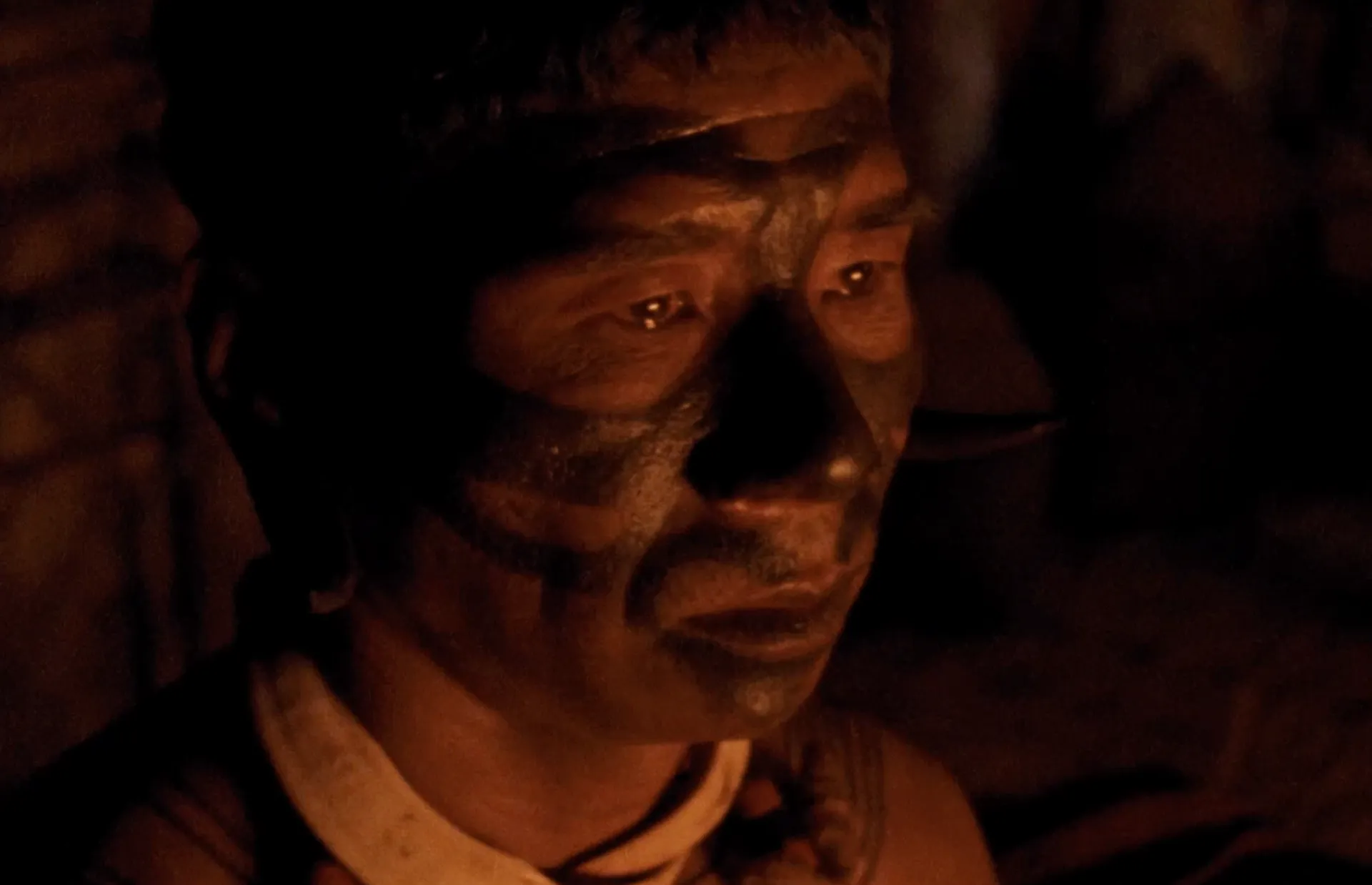
Theja Rio’s cinematic exploration takes a powerful leap with his feature film Angh, a work that immediately dives into the complex and often fractured space where indigenous identity meets the pressures of colonial modernity. It is a film that doesn’t just tell a story; it forces the viewer to confront the hidden crevices defining the lives of those caught between ancient traditions and encroaching modernity.
This profound tension is masterfully unfolded through a story set against the evocative backdrop of 1960s Nagaland. This specific setting—the eastern Indian state situated precariously on the Burmese border—is not merely a backdrop, but an active participant in the narrative, highlighting the delicate, often volatile, existence of its inhabitants.
At the heart of the film is a narrative defined by riveting restraint. It follows the journey of the principled chief of a waning tribe, navigating the shifting sands of power, tradition, and the looming forces of change. Through this lens, Rio crafts a deeply human portrait of leadership, resilience, and the persistent struggle to maintain identity amidst historical upheaval.
Buy on Amazon
Credit
