
Anne Hathaway and the Millennial Influence
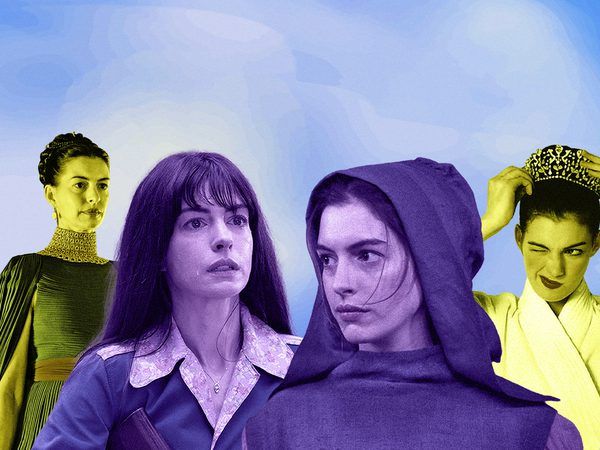
The Ballad of the Millennial Icon: How Anne Hathaway Mastered the Art of Self
Anne Hathaway has navigated a truly eventful quarter-century, emerging not just as a global pop star and magazine editor, but as the definitive cinematic embodiment of the millennial generation. Her career trajectory mirrors the complex emotional and ethical shifts of a generation that sought authenticity while grappling with impossible expectations.
Her journey began in 2001 with The Princess Diaries, where the relatable, flawed teen Mia Thermopolis faced the choice between inherited royalty and personal freedom. This early role set the stage for a life where status was not a given, but an active choice—a theme that resonates powerfully with the millennial experience.
As she matured, Hathaway stepped into roles that explored the anxieties of her time. In The Devil Wears Prada, she played Andy Sachs, a recent journalism graduate who struggled to navigate the harsh realities of corporate capitalism. This film captured the disillusionment felt by a generation balancing idealistic dreams against the demanding, often cold, structure of the working world.
The subsequent years saw her explore darker, more complex facets of human experience. When the financial pressures of the 2008 crisis began to loom, Hathaway found resonance in roles that dealt with pain and vulnerability. Her nomination for an Oscar for Rachel Getting Married, portraying Kym, illustrated a shift toward somber realism, moving away from lighter fare to engage with the deep, often uncomfortable, truths of adult life.
Despite the critical acclaim, the path was not without friction. The pursuit of high achievement by a generation often invites scrutiny, and Hathaway’s success was met with intense, sometimes hostile, public reaction—a phenomenon dubbed Hathahate. This backlash perfectly encapsulates the tension of being a high-achieving millennial, caught between idealized virtue and harsh reality.
Yet, rather than succumbing to the spotlight’s demands, Hathaway channeled this energy into reinvention. She embraced challenging, anti-heroic material, notably in films like Colossal, where her character faced existential rage, and later explored roles in Oceans 8 and Serenity. These shifts allowed her to shed self-consciousness and demonstrate a defiant pride, refusing to be confined by a single archetype.
Her transition into motherhood has been another defining chapter. Whether playing a world-famous pop star in Mother Mary or stepping into the demanding role of a mother in The End of Oak Street, Hathaway has found rich thematic ground. She explores the complexities of maternal responsibility not as a simple caretaker, but as a figure who finds strength and sagacity in navigating chaos, whether cosmic events or suburban dramas.
As she enters her mid-forties, Hathaway proves that generational talent doesn’t fade with age; it evolves. She has managed to subvert the traditional archetype of the supportive ‘mother’ by infusing her characters with fierce individuality and emotional depth. Her latest ventures suggest a refusal to settle for simple roles, embodying the spirit of The Next Great Generation by showing that true fulfillment lies in embracing contradiction and finding joy outside of external judgment.
Buy on Amazon
Credit