Argo perpetuates the White Savior Myth Farhadi says
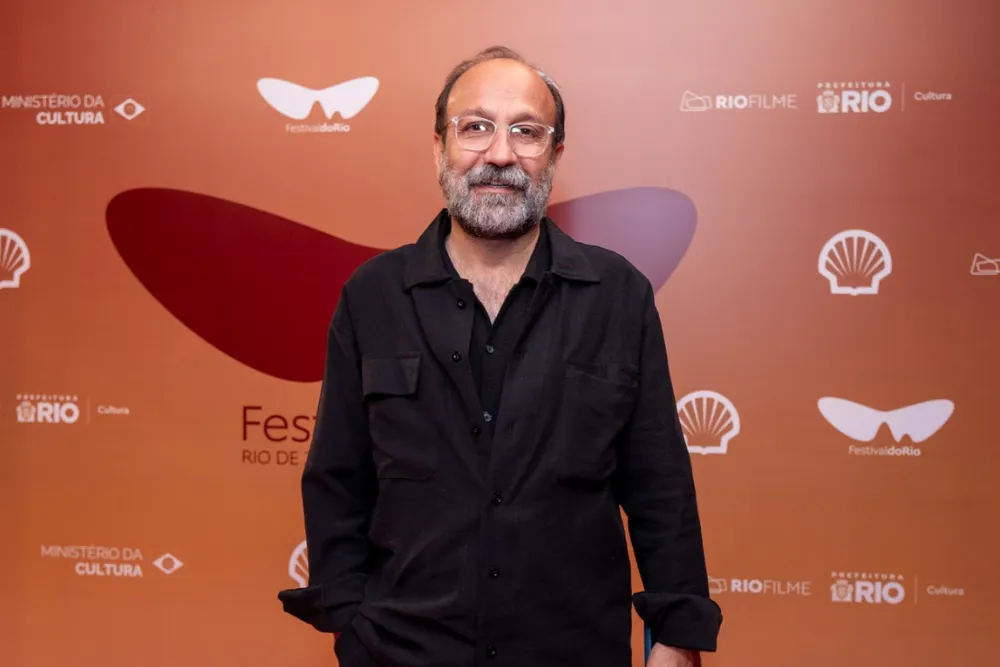
Beyond the Golden Age: Asghar Farhadi Challenges Hollywood’s Narrative Power in Rio
The vibrant energy of the Rio Film Festival is currently hosting a crucial conversation about the global landscape of cinema, anchored by the presence of twice Oscar-winning filmmaker Asghar Farhadi. Farhadi is there to present his compelling film, Parallel Tales, but his presence on the festival stage is also a platform for a much larger discussion: the perceived dominance of American cinema and the responsibility Hollywood holds in depicting foreign cultures.
As an artist who has navigated the highest levels of international acclaim, Farhadi’s perspective is particularly sharp. He addresses the often-debated relationship between global filmmaking and the monolithic influence of Hollywood. His commentary suggests that the sheer volume of American-produced content can create a narrative hegemony, making it difficult for authentic and faithful portrayals of diverse foreign cultures to take center stage.
This sentiment is amplified by recent cinematic successes. The high-profile win of Argo for Best Picture, just a year after other critically acclaimed international works, served as a focal point for examining who gets to tell the world’s stories. Farhadi uses this context to probe whether mainstream success inherently translates into genuine cultural representation, or if it simply reinforces existing, often narrow, cinematic tropes.
His remarks challenge the notion that Hollywood is an objective window onto global experience. Instead, he posits that the industry must look beyond its commercial imperatives and recognize that films are not just entertainment, but powerful cultural interpreters. For Farhadi, the responsibility lies in ensuring that the stories we see reflect the complexity and nuance of the cultures they depict, rather than serving as mere exotic backdrops for American narratives.
The conversation at the Rio Film Festival, therefore, moves beyond simple film critique. It touches upon a deeper ethical question: what role should global filmmakers play in correcting historical and cultural imbalances perpetuated by a dominant industry? Farhadi’s voice encourages an ongoing dialogue about authenticity, representation, and the power dynamics inherent in the global film market.
Buy on Amazon
Credit
