ASBOwave and the Visual Politics of Broken Britain
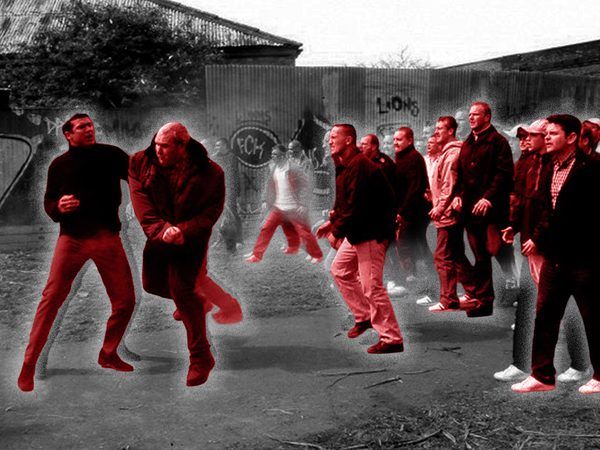
In an era defined by intense cultural conflict and border tensions, the narratives we consume—whether on screen or in the news—often reflect, and sometimes fuel, the very divisions we experience in the real world. A fascinating, if unsettling, thread connects the increasingly hostile, far-right culture war against migrants with the cinematic fantasies of social collapse that dominated the 2000s.
This connection was highlighted when the world’s richest man, Elon Musk, shared the 2026 film Citizen Vigilante with his massive social media following. The movie, starring a disgraced Hollywood figure as an ex-military officer dispensing violent justice to migrant gangs, resonated with Musk. Beyond entertainment, the film’s ideology—the idea that a majority-white Europe must take violent action against mass immigration—seems to align neatly with Musk’s growing interest in ethnonationalist rhetoric.
The cinematic lens provides a powerful, albeit fictional, framework for understanding the anxieties plaguing Britain. The narrative of the British right often paints the nation as a failed state: a decaying landscape replaced by the so-called Yookay—a term that Nicholas Harris defines as a “racialised and frequently racist scrapbook of 21st-century British life.” This aesthetic of decay was layered over decades, fuelled by the public focus on class and social unrest.
Decades earlier, the media had fixated on the working class, portraying figures like the ‘chav’ and the ‘scally’ as the primary bogeymen. This focus on class-based violence was exemplified by films that explored this friction. Works like Harry Brown, which set its stage in the derelict Heygate Estate, acted as a microcosm for societal failure, mirroring the chaos of the era. This visual shorthand for state failure, moral rot, and savage acts of violence became synonymous with urban crime in subsequent hits like Top Boy and Attack the Block.
This preoccupation with class conflict evolved into what some critics dubbed the ASBOwave, a genre of thrillers exploring anti-social behaviour. These films, along with others, tapped into a deep-seated cultural response to social disintegration. They explored the dark side of masculinity and the desperate search for belonging, often reframing violence not as criminality, but as a potent expression of frustration.
The reality of the late 2000s was marked by horrific violence committed by gangs, leading to intense public fear. This atmosphere, coupled with the official government response of blaming ‘moral collapse’ and austerity, created a vacuum. Films like Eden Lake, while ostensibly genre fiction, plunged viewers into the raw anxieties of class hatred and nihilistic behaviour, capturing the fear that the country was crumbling along fault lines of class and race.
What emerged from this artistic landscape was a complex view of identity. While some narratives risked reducing marginalized groups to stereotypes, others offered a stark, unvarnished look at the pressures of modern life. The tension lies in how we process these images—whether they lead us to acceptance or further division. The legacy of these films forces us to confront the blurred lines between fact and fiction, and the pervasive illusions that allow extremist forces to scapegoat the vulnerable.
Buy on Amazon
Credit