Barrio Triste a haunting requiem for the lost boys
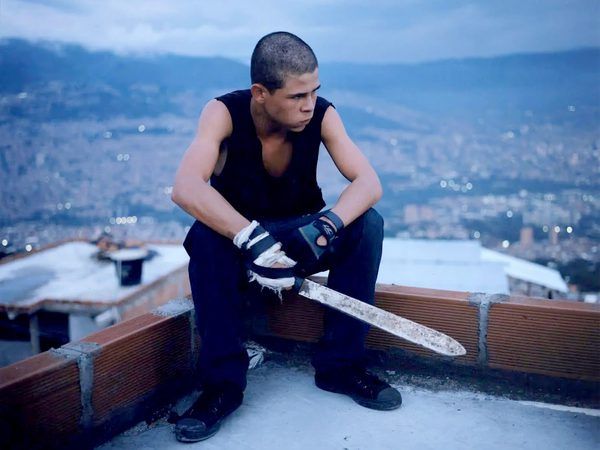
What happens when you tear the fabric of the everyday world open just to reveal what lies beneath? That is the terrifying, mesmerizing premise of Stillz’s debut feature, a found-footage odyssey that plunges viewers into the raw, visceral landscape of Medellín’s hillside comunas.
Set in 1987, this film is more than just a story; it is a haunting exploration of rebellion, solitude, and the heavy melancholy carried by those who live on the fringes. Director Stillz manages to weave a narrative that is simultaneously disturbing and deeply moving, guiding the audience on a chaotic joyride through genres, blending the frantic edge of The Blair Witch Project with the punk spirit of Repo Man.
The journey begins abruptly in Colpisos, where a group of restless youths enact a crime—violently snatching a camera from a news reporter. From there, their quest for chaos escalates as they steal a Mercedes-Benz and embark on a daring armed robbery of a local jewelry shop. The heist quickly devolves into a desperate flight, leading them into the labyrinthine streets and hidden dwellings of the hillside communities.
As the boys navigate the crumbling roads and graffitied labyrinths, the film shifts from action to an intimate, unsettling tour. Viewers witness a glimpse into the life of the hillside inhabitants, experiencing direct-to-camera testimonies that reveal a world where dissent is woven into the very structure of daily life. This is a space defined by passionate pursuits: punk bands practicing on rooftops, children using discarded bollards as weights, and the quiet, poignant ritual of old women whittling tools with swords.
Yet, amidst the raw energy of rebellion, a profound sense of sorrow permeates the landscape. As the camera glides through the shadows, the mood shifts from curious exploration to nightmarish encounter, blending furious sound design and harsh white noise with elegiac hymns. The visual poetry echoes the enthralling work of Chinese filmmaker Bi Gan, while the unsettling atmosphere is amplified by the daring score and sound design of experimental Venezuelan musician Arca.
The film is a visual symphony of turmoil. It captures the intense anger of young people grappling with a world that feels fundamentally unfair. Despite the chaos, the film is saturated with melancholy, reflecting the shared lament of the boys: “We wanted to believe in something but we got our asses kicked.” It is a poignant translation of grief, finding a meaningful space where spirits can rest and be remembered in a place called Barrio Triste.
Buy on Amazon
Credit