BBC Chief Warns On Winning Over TikTok Generation
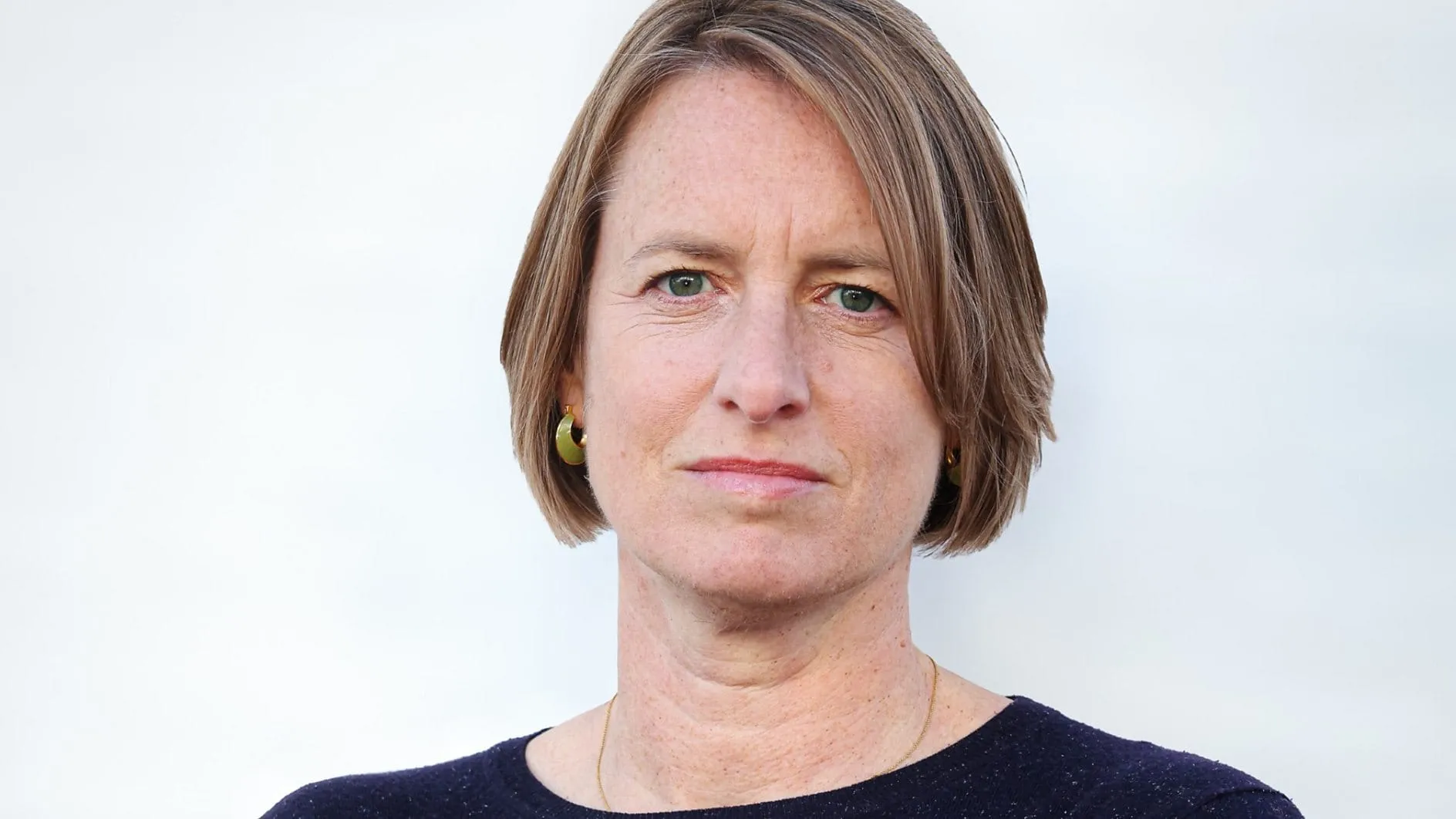
The digital age is reshaping how we consume news, and for the BBC, the challenge is clear: bridging the gap between traditional broadcasting and the rapidly evolving habits of younger audiences.
Taking the helm of BBC News, the new director has immediately signaled that winning back younger viewers is not just a secondary goal, but a central mandate for the organization. In her inaugural address to staff, she laid out an urgent call for transformation, stressing that the platform must fundamentally change how it delivers its content.
The message is unequivocal: BBC News must adapt urgently to ensure it is meeting audiences exactly where they consume content. This directive reflects a recognition that the way people find, share, and interact with news is fundamentally different from the habits that defined traditional broadcasting.
This shift necessitates a deep dive into the digital landscape. It means moving beyond established formats to engage audiences through more dynamic, interactive, and accessible channels. The challenge lies in balancing the BBC’s commitment to high-quality, authoritative journalism with the need to embrace the fast-paced, often visual, demands of modern media consumption.
For BBC News, this means reevaluating production strategies, distribution methods, and storytelling techniques. It is about harnessing the power of digital platforms to make essential news more relevant, engaging, and immediate for a generation that demands connection and context in real-time.
The focus now shifts to execution—translating this high-level vision into tangible changes that will redefine how the BBC connects with its future readership. It is an exciting pivot, positioning BBC News to lead the way in a media landscape that is constantly demanding innovation.
Buy on Amazon
Credit
