BBC Cuts: Painful Closures Signal Worse Trouble
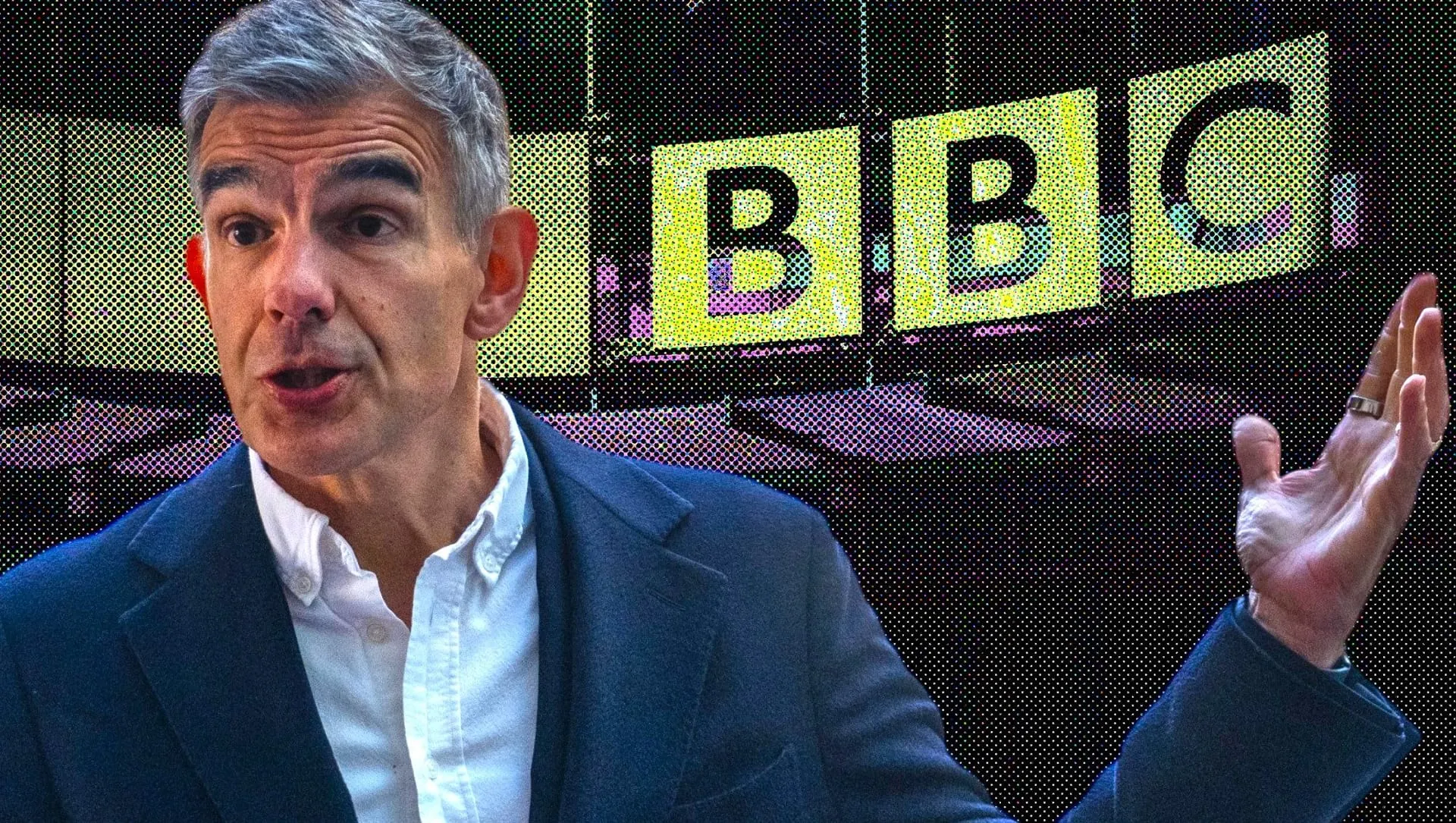
The BBC‘s Bold Vision: Why the World Needs a Better Public Service
A recent town hall delivered a powerful message to the BBC staff, one that resonated far beyond the studio walls. It wasn’t just an update on current operations; it was a profound statement about the organization’s future role in a rapidly changing media landscape.
The core message delivered by Matt Brittin was unambiguous: the world needs the BBC more than ever. But this wasn’t a call for the institution to simply maintain the status quo. Instead, Brittin proposed a radical vision for the broadcaster’s evolution—a future that would redefine its position among global media giants.
He articulated a clear ambition: the BBC would not be another diluted competitor, merely a imitation of commercial streaming services. The vision centered on achieving a distinct identity, rejecting the pressure to conform to the low standards of commercial rivals like Netflix or YouTube.
The aim was to redefine the BBC as something fundamentally superior. Brittin suggested that the next phase for the organization would involve a change in size and shape, allowing it to grow while prioritizing quality and public service above all else.
This ambition is about more than just programming; it is about mission. It speaks to a desire to ensure that the world has access to truly exceptional, unbiased, and essential content. The focus shifts from sheer volume to profound impact.
The message concluded with a powerful promise: it would not be a so-so alternative, nor a mere me-too product. It would be a better BBC—a definitive beacon of quality, integrity, and public value in an increasingly fragmented digital age. This vision inspires staff to look forward, armed with the belief that their work can set a new standard for global broadcasting.
Credit