Beauty and the fear inside Amanda Kramer
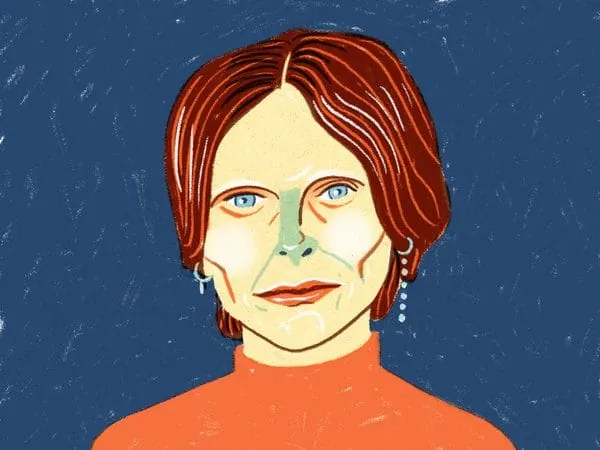
The world of cinema often deals with the complexities of human relationships, but sometimes, the most profound truths are found in the absurdity of imitation and objectification. This is the fascinating territory explored by the filmmaker behind By Design, a work deeply rooted in the strange, yet deeply human, dynamics of gender, performance, and the very nature of being.
At the heart of the film lies a mind-bending premise: a woman desperate to swap bodies with a wooden chair. This seemingly whimsical concept opens up a rich exploration of obsession, the nature of wanting, and the profound difference between appreciating an object and engaging with a complex human life. The narrative delves into questions about object-oriented ontology, examining how we relate to the things we love and the complicated roles we play.
The film uses this bizarre conceit to tackle the tension inherent in being a woman—the pressure to perform a function while interior lives remain inaccessible. It asks whether the act of inhabiting an object, like a chair, can be an evolution of this feeling of being externalized. By exploring the relationship between the physical form and the inner self, the work pushes against societal expectations and the very boundaries of identity.
This exploration of performance connects directly to a wider conversation about identity. As the filmmaker notes, human identity is often built through imitation. We seek to carve personas, adopting the styles, desires, and aesthetics of others—becoming, in many ways, a form of modern Warhol. This pursuit of external forms highlights the constant negotiation between who we are and who we wish to be.
The film also draws inspiration from the visual and aesthetic power of artists like Joanna Hogg, whose work possesses a kind of intimidating, performative perfection. This influence feeds into a deeper fascination with beauty itself. The filmmaker notes that beauty, particularly in the context of the film, can feel almost sinister, forcing us to question how we engage with idealized forms.
A fascinating counterpoint is found in the relationship between the tactile world and cinema. While film deals in visual and aesthetic energy, the realm of furniture and craft offers an elemental, unmannered experience. Working with furniture makers, the filmmaker found an organic connection to the material—an experience that felt more visceral and rooted in the physical act of creation than the highly mannered world of filmmaking.
The film uses the chair as a metaphor for use and purpose. If the character wishes to be used, to be needed without the burden of brilliant self-awareness, the chair offers a stark, if unsettling, reflection of a different kind of existence. It serves as a quiet commentary on how we view objects as functional entities, and how those views shape our lives and our relationships.
Furthermore, the presence of iconic figures, such as the legendary Udo Kier, adds an extraordinary layer of depth. Working with someone who embodies a mythology of wildness and multifaceted experience introduced a dynamic tension on set. This interaction felt less like reading a script and more like engaging in a game, where the actor interprets and brings forth a history that enriches the final piece.
Ultimately, the work is a profound meditation on the fear and the freedom inherent in existence. It suggests that being a beautiful woman carries a certain emotional weight, and that true liberation might lie not in striving for a perfect self, but in accepting the beautiful, sometimes unsettling, state of being—whether embodied by a chair or a woman.
Buy on Amazon
Credit