Billy Wilder’s wisdom: ‘Let the audience add up two plus two’
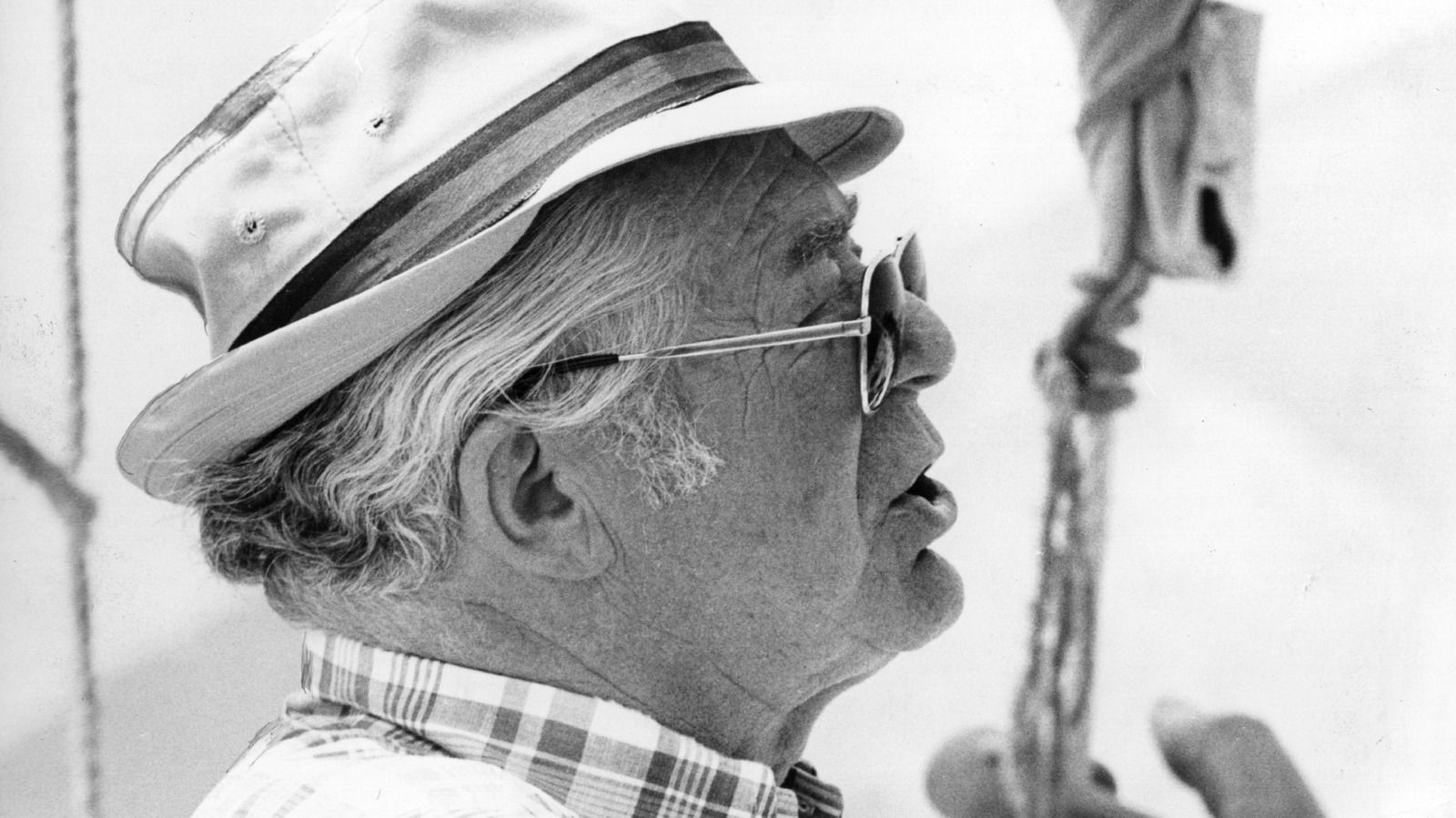
The magic of cinema often lies not in what a director tells you, but in what the audience chooses to see. For legendary figures in filmmaking, this philosophy transcends mere storytelling; it becomes an art form built on trust and intellectual engagement.
Great directors understood that the true power of a film isn’t in delivering a neatly packaged narrative, but in providing enough compelling evidence for the viewer to construct their own emotional landscape. It’s a subtle shift from passive consumption to active participation—a brilliant tactic that turns spectators into collaborators.
One such visionary was the great director Billy Wilder. He operated under the conviction that cinema should not be about spoonfeeding audiences with simple, pre-digested answers. Instead, Wilder believed in the profound power of restraint: allowing viewers the space and opportunity to lock in their own interpretations and put the final pieces together for themselves.
This approach moves filmmaking beyond mere entertainment into the realm of sophisticated experience. By withholding easy resolutions, Wilder forced his audience to wrestle with ambiguity, examine character motivations, and engage critically with the visual and narrative cues presented on screen. The result is a far richer, more lasting cinematic experience.
In this way, the director steps back from the role of simple narrator and assumes the role of architect—designing an environment where meaning is discovered rather than simply delivered. It demands patience from the viewer, but rewards them with an intense sense of ownership over the story unfolding before them.
This philosophy echoes through the annals of film history, reminding us that true artistry often involves guiding the hand rather than grasping the reins entirely. It is the difference between watching a movie and truly experiencing a piece of moving art.
Buy on Amazon
Credit