Bird & Giacchino: Bringing Sci-Fi Noir and Ray Gunn to Life
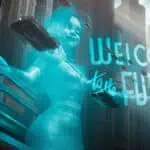
For three decades, the world of adult animation held a secret: a sophisticated noir epic titled Ray Gunn>. It was kept like a whispered speakeasy password, known only to criminals, rebels, and dreamers seeking an ending at the bottom of a bottle. Now, after years in the cask, the creators are finally ready to pour the glass.
A deep dive into the making of Ray Gunn> revealed that this project is more than just animation; it’s a collision of eras—a hard-boiled detective story set in a sprawling metropolis where the glamour of 1940s cinema clashes dynamically with imaginative science-fiction iconography. It is fresh, innovative, and undeniably dangerous.
The journey to realize this vision took incredible patience. When Brad Bird and composer Michael Giacchino first began this decades-long quest, the core DNA of Ray Gunn> remained steadfast through every iteration. As Bird noted, while the world around them evolved, the fundamental ideas stayed intact. “What people think is really current was in there a long time ago,” he observed. “It was just that it was either ahead of its time or pessimistic about where we were headed.”
Giacchino reflected that his artistic obsession was rooted in listening to the past, drawing inspiration from classic sources like Johnny Dollar> and classic investigator stories like The Shadow>, seeking the sound of those heroes. The foundation of the project was built not on chasing trends, but on listening intently to the echoes of history.
The spark that ignited the entire epic arrived in 1979, sparked by a simple audio cue. Brad Bird heard the B-52s track “Planet Claire,” and its driving opening line instantly sounded like Henry Mancini’s iconic “Peter Gunn” theme. Realizing the track was actually a retro, theremin-heavy sci-fi piece, Bird realized the potential. “No, no, it’s not Peter Gunn, what is it? It’s Ray Gunn,” he mused. This realization—juxtaposing big band swagger with film noir—was the moment the story found its identity.
To bring the film’s atmospheric soundscape to life, Bird and Giacchino sought a unique vocal force to capture the ethereal character of Venus Nova. Their search led them to New Zealand singer-songwriter Kimbra, who brought an unparalleled authenticity to the role. Bird found the collaboration remarkably seamless, feeling like he didn’t need to direct, but simply to guide. Kimbra, in turn, found the perfect expression for the character, singing from the heart of the story.
In navigating the inevitable development hell of a thirty-year project, the creators faced the challenge of balancing inspiration with execution. Giacchino approached the musical score with a clear focus, drawing parallels to ideas like Ratatouille>, utilizing existing molds while forging a new path. The ultimate key, Giacchino suggested, was finding the true North Star: focusing on consistent themes—a love theme, a main theme, a detective theme, and an era theme. It was about showing rather than telling.
Ultimately, the success of Ray Gunn> lies in this masterful balance. It is a story where the music and the narrative speak in harmony, proving that the most powerful art comes from letting the story and the score lead the way.
Buy on Amazon
Credit