Brad Bird breaks down Animated Noir, CG, and Tom Waits
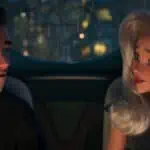
For three decades, Ray Gunn has simmered, a sultry brass riff lingering in the shadows. Brad Bird’s adult-animated noir epic has finally emerged from the back burner, ready to dazzle audiences with its retro-futuristic vision.
In a recent look behind the scenes at Netflix Animation Studios in Burbank, California, Bird offered an in-depth perspective on the project. What emerged was not just an animation project, but a swaggering, animated love letter to 1940s cinema, set against a vibrant, retro-futuristic backdrop. He shared insights into the years of dedication poured into the concept and the artistic challenges of bringing this specific vision to life.
The Philosophy of Noir and the Future
When asked about the commitment required for a project of this magnitude, Bird reflected on the inspiration behind the work. He noted that the drive to create Ray Gunn stemmed from a desire to explore themes that felt classic yet timeless. He felt that the movie was initially dismissed as a niche art film, treated as an oddball, but Bird saw it as something cool, much like classic film noir. “Why doesn’t it matter if it’s not immediately seen as popcorn fare?” he mused. “Is The Maltese Falcon not cool? Is Chinatown not cool?”
Bird delved further into the project’s thematic relevance, grappling with the current societal obsession with automation and AI. He suggested that while the movie addresses modern anxieties, the core issues are deeply classic. He noted that the movie explores the positive and negative aspects of technology, reminding us that humans are constantly inventing things, often without fully grasping the consequences. Whether it is the misuse of technology or the underbelly of innovation, the film addresses issues that feel current while remaining fundamentally timeless.
Bird’s vision for the future is inextricably linked to his love for detective cinema. He envisioned a utopia, where the future was wondrous—complete with jetpacks—but one that still retains the grit and complexity of a detective story. He sought a juxtaposition: a utopian atmosphere where desperate characters still engage in familiar human flaws. He wanted futurism saturated in the period most connected with film noir, creating a unique blend of science fiction and cinematic rhythm.
The Art of Animation and Casting
The transition from a hand-drawn concept to high-end CG presented its own set of creative hurdles. Bird acknowledged that while a hand-drawn version would have been magnificent, he embraced the advantages of modern digital techniques. He emphasized that the core of cinema lies in shot progression—how the rhythm of the cuts guides the viewer through the narrative. He appreciated how CG allows for rich textures and visual effects, noting that the first half hour of the film feels tactile and lived-in, a testament to the careful attention to detail.
In terms of character design, Bird faced the challenge of balancing caricature with emotional believability. The characters in Ray Gunn were intentionally designed to be interesting and memorable, not overly stylized. This required careful calibration to ensure the characters possessed the necessary emotional depth while still carrying the visual punch needed for animation.
The casting of key voices also proved to be a fascinating artistic choice. While Bird initially considered other actors, he ultimately settled on Tom Waits for the role of Eyera. The influence of Waits’s unique, laconic vocal style profoundly shaped the animation. The talent of the voice actor influenced the animation process itself; the animator knew exactly how the character would sound, which in turn prompted more natural and expressive movement. The movie even features a subtle nod to Waits’s own world, with a small diner visible in early shots, reflecting his appreciation for the music that underpins the entire experience.
Ray Gunn premieres exclusively on Netflix on Friday, December 18, 2026.
Buy on Amazon
Credit