Brad Bird on ‘Ray Gunn’ and Desperate Characters in Utopia
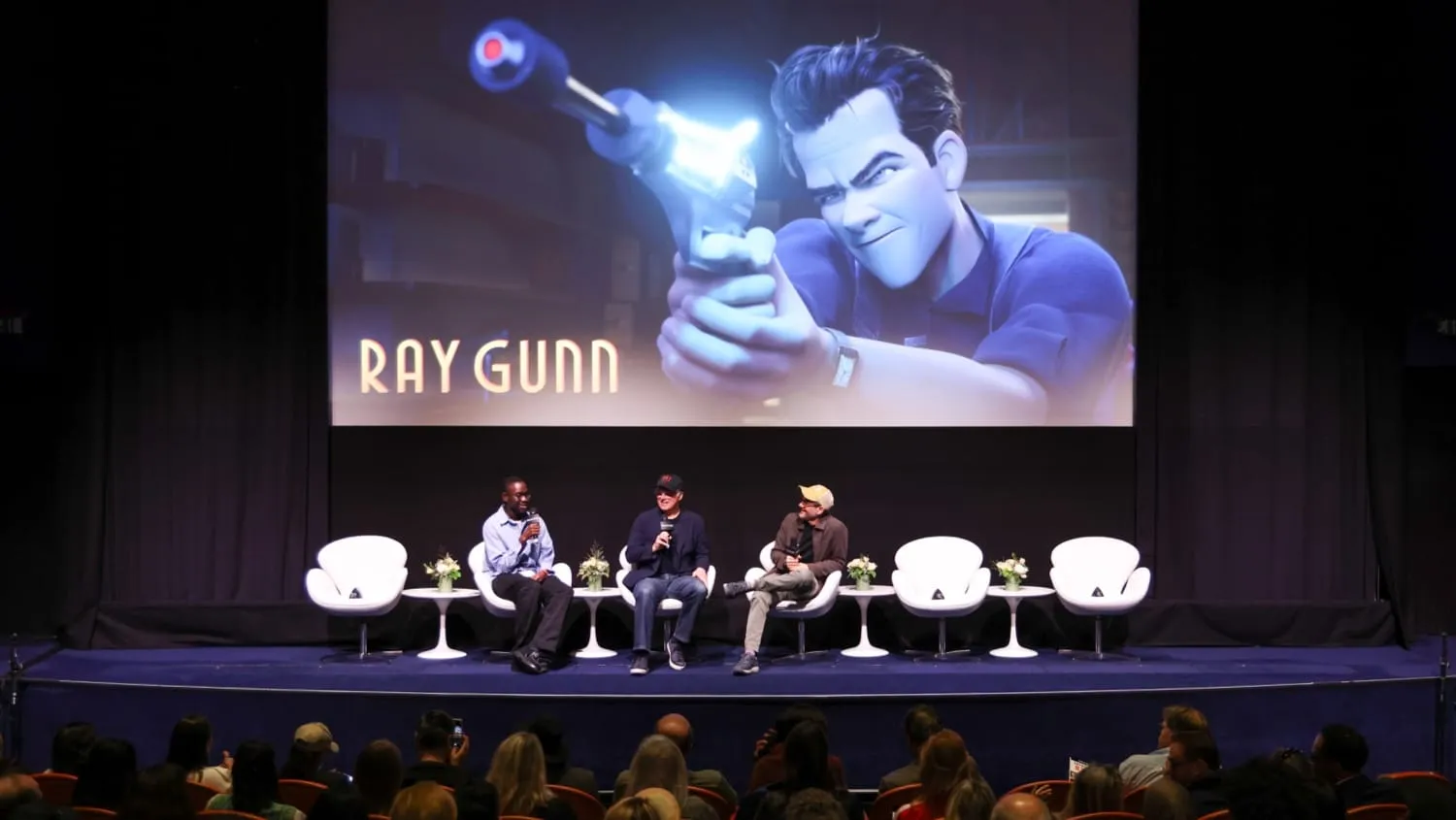
The future, as many seem to suggest these days, is painted in shades of dystopian gloom. This stark perspective, once relegated to the realm of cautionary tales, has become a dominant lens through which contemporary filmmakers and artists are viewing the world.
Director Brad Bird, speaking at Deadline’s Contenders London this weekend, captured this prevailing mood, suggesting that viewing the future through a dystopian lens is perhaps the most immediate way to process our current reality.
However, Bird’s perspective quickly pivots from fatalism to freedom. While acknowledging the powerful allure of dystopian narratives—films that explore the grim realities of societal collapse and oppression—he insists that this view is not the only valid way to imagine tomorrow.
“And that’s fine,” Bird noted, embracing the weight of the genre, “I love a lot of movies that take that thing, but there are other ways to look at the future too, and you can.”
This sentiment speaks to a broader artistic and philosophical debate: whether we should focus solely on the bleakest predictions, or whether we have the agency to envision brighter, more hopeful alternatives.
The concept of dystopia serves as a powerful mirror, reflecting our anxieties about technology, social inequality, and environmental decay. Yet, the power of storytelling lies not just in depicting collapse, but in exploring the potential for resistance, innovation, and utopian possibility.
For creators, the challenge lies in moving beyond the established dystopian tropes. Instead of settling for narratives defined by inevitable failure, there is an exciting space to explore futures defined by human ingenuity and collective hope.
Brad Bird’s remark is an invitation to look beyond the shadows. It reminds us that while the dystopian vision is undeniably compelling, the true scope of human imagination extends far beyond the boundaries of despair. There is limitless potential in crafting futures that celebrate not just survival, but profound, sustainable human flourishing.
Buy on Amazon
Credit