Breaking Bad Among the Top 100 TV Shows
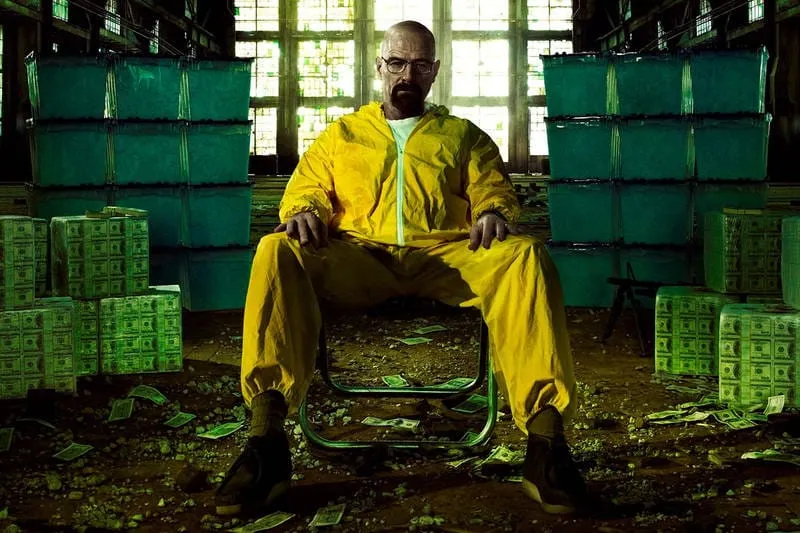
In an era where streaming has redefined storytelling, fans and industry insiders are constantly seeking to define what makes a television series truly exceptional. Recently, The New York Times stepped in to roll out a massive poll, compiling a list of the Top 100 best TV series of the 21st century.
This isn’t just an arbitrary ranking; it’s a heavyweight selection determined by over 500 stars, showrunners, and seasoned TV insiders. While the list naturally leans heavily toward American productions, it manages to capture a global conversation about narrative quality and dramatic achievement, pulling in some truly left-field choices alongside the usual suspects.
The contenders at the very top are, predictably, legendary. Breaking Bad, The Wire, and Mad Men anchor the top three spots, reminding us of the masterful craftsmanship that defined a particular golden age of television.
Further down the rankings are shows that define modern prestige drama, including Succession, Fleabag, Game of Thrones, and Veep. The list clearly celebrates complex characters and high-stakes storytelling that demands the viewer’s attention.
But the list is more than just an echo of the past; it’s also a snapshot of ongoing debate. The inclusion of shows like The White Lotus and The Comeback in the high twenties stirred much discussion about the evolving definition of quality. Even some shows that faced critical scrutiny, such as The Shield and Justified, managed to land respectable placements.
Yet, the list also revealed significant gaps. Many highly acclaimed, genre-bending series that have dominated cultural conversations remain conspicuously absent from the Top 100. Titles like Mindhunter, Hannibal, The Expanse, and Arcane, alongside deep dives like The Last of Us and Fargo, showed themselves to be phenomenal forces in the television landscape, yet slipped just outside this elite grouping.
This gap highlights how subjective the pursuit of “best” can be. While the list acknowledges masterpieces, it also forces us to confront which stories—whether groundbreaking or genre-specific—deserve a place in the pantheon of television history. Ultimately, this ranking serves as a vibrant, ongoing conversation about the art of television, reminding us that the story never truly ends.
Buy on Amazon
Credit