Brenda Fricker Dies
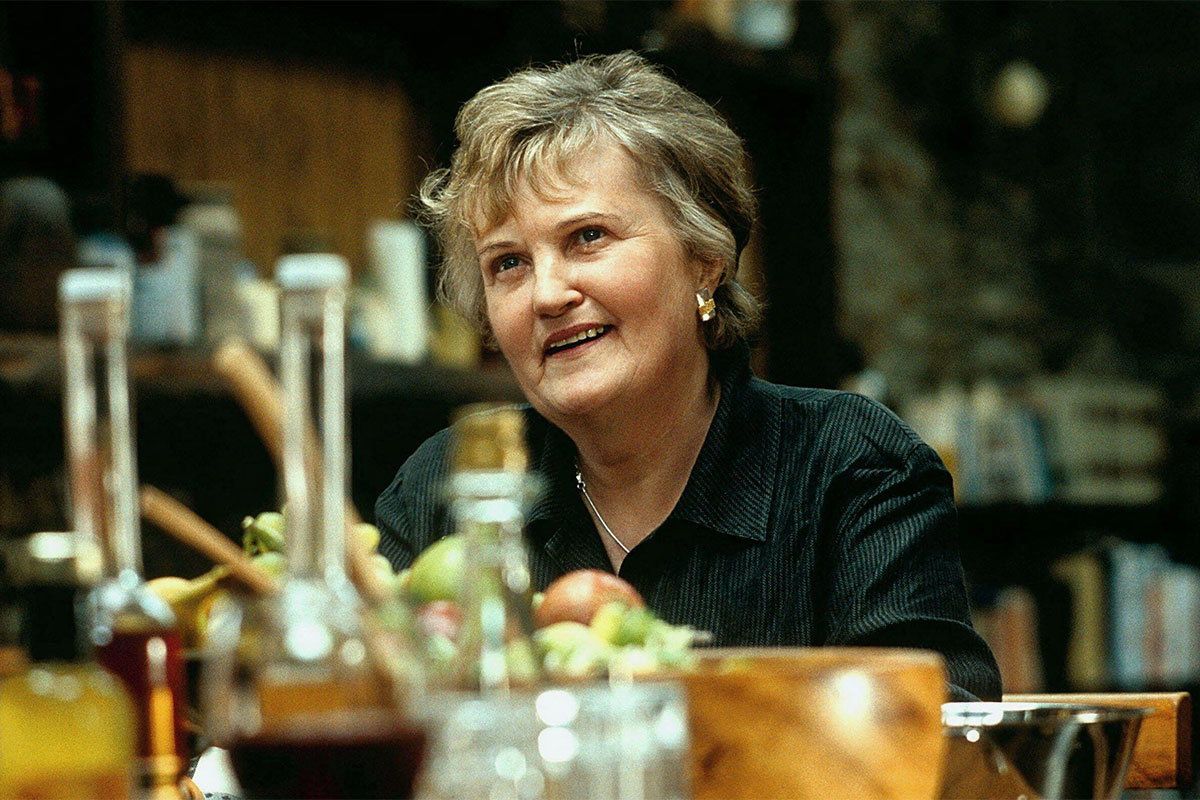
The cinematic world mourns the loss of an extraordinary talent: Irish actress Brenda Fricker has passed away at the age of 81. She died in Dublin on Thursday night following a period of ill health, leaving behind a legacy woven from unforgettable performances and a deeply complex personal history.
Fricker carved out a remarkable seven-decade career, establishing herself as an iconic figure in film and television. Her achievements reached a pinnacle in 1989 when she became the first Irish actor to win an Academy Award for her portrayal of Bridget Brown in My Left Foot. This triumph cemented her status not just as a celebrated performer, but as a foundational voice in cinematic history.
Throughout her career, Fricker embraced a wide range of demanding roles that showcased her depth and versatility. She brought unforgettable humanity to characters ranging from the stern Pigeon Lady in Home Alone 2: Lost in New York and a foster home caretaker in Angels in the Outfield, to nuanced portrayals in critically acclaimed films such as A Time to Kill and Veronica Guerin. Her filmography spans powerful narratives, demonstrating a mastery of dramatic intensity across various genres.
Beyond the polished performances, Fricker’s reflections on the craft reveal an engaging personality. When discussing her collaborations with actors like Daniel Day-Lewis, she offered a candid view of the pressures inherent in Method acting, asserting that while she admired his character, personal artistic space was paramount: “I’m fond of him. A good man, great morals. But he’s a f–king Method actor. I mean, we all have a method. I don’t mind another Method actor, but if they interfere with my little method, then f–k off, like, you know?”
Yet, the true story of Brenda Fricker extends far beyond the silver screen. Her life was marked by immense personal struggle and profound adversity. She navigated a profoundly difficult path, enduring assaults, institutionalization, severe depression, physical trauma, and deeply challenging personal circumstances that shaped her journey. These experiences, while private, are inextricably linked to the resilience and depth she brought to her craft.
Brenda Fricker’s story is a powerful reminder that behind every iconic face and celebrated career lies a tapestry of human experience. She remains an indelible figure whose work continues to resonate, honoring both her dazzling talent and the complex reality of her life.
Buy on Amazon
Credit