
Brittany Allen’s unlikely road to the Emmys
One of the most compelling stories in television awards season isn’t about Hollywood glamour; it’s about instinct, vulnerability, and a quiet reckoning. It’s the latest Cinderella narrative unfolding among HBO nominees, proving that sometimes the greatest performances deserve recognition, regardless of the institutional backing.
The landscape of television awards has always been a fascinating balancing act. While major networks amass nominations—like HBO’s impressive 122 for shows such as Hacks and Task—the journey from nomination to win remains an unpredictable path. This dynamic is particularly evident when examining the high-caliber guest stars who populate prestige series like The Pitt, which centers on a dramatic emergency department setting.
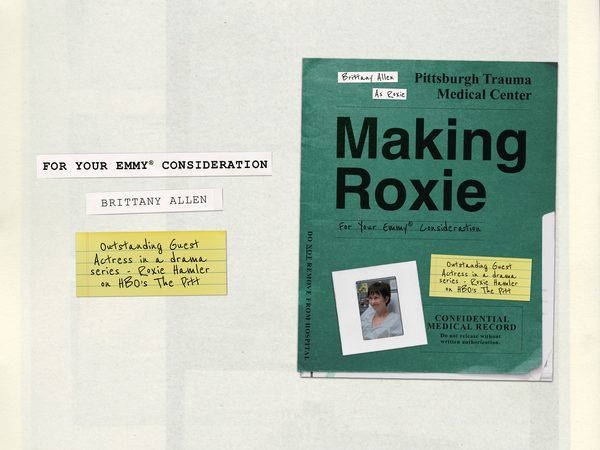
In this competitive environment, guest actors often deliver career-defining work that demands attention. Among those nominated is Brittany Allen, who recently chose to self-submit for an Emmy nomination for Outstanding Guest Actress in a Drama Series. Her journey exemplifies a shift in how deserving talent seeks recognition, moving away from the traditional strategies of campaigning.
Allen’s recent arc as Roxie Hamler, a terminal cancer patient, offered a performance characterized by profound tenderness and palpable internal struggle. She portrayed a woman fighting to honor her humanity while facing immense fear and loss. It was this raw emotional depth that drew nominations, but Allen felt a powerful instinct that her performance had already earned its place.
Instead of relying solely on the often-glossy world of awards marketing, Allen pursued a more personal route. She connected with causes like Gilda’s Club and sought reflection through experiences like working with a death doula, using these personal explorations to bring her character’s complex reality to life. This approach highlights a growing desire among artists to prioritize the authenticity of their work over external maneuvering.
This move toward self-submission signals an evolving philosophy in the entertainment industry. Historically, winning awards has often depended on resources and access—factors that can sometimes favor those with extroverted personalities or extensive backing. However, the decision by actors like Allen to put their performances forward based on internal conviction suggests a powerful push for a more equitable system.
It feels like we are witnessing an emerging era of self-submitting stars. This shift gained traction after major ensemble shows, such as Game of Thrones, demonstrated that highly awarded projects don’t always align with the actors who anchor them. It gives hope to every artist whose work is undeniably powerful but lacks the necessary institutional support.
Ultimately, Brittany Allen‘s story is a reminder that true merit does not require a full-time awards campaign. It demonstrates that when artists prioritize their authentic voices and inner truth, they can create their own path to recognition, reshaping the expectations of what it means to be celebrated in television.
Buy on Amazon
Credit