Bruce Willis movie production chaos revealed
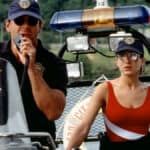
In the early 1990s, when Bruce Willis was at the peak of his stardom thanks to Die Hard, Hollywood was hungry for the next big thing. Yet, while Willis commanded box office success, his next major project, Striking Distance, quickly became a masterclass in creative turmoil—a film that struggled to define itself amid a flurry of studio interference, impossible demands, and an unforgettable cast.
The story of Striking Distance is less about the final product and more about the chaotic journey it took to get there. It began under a different name, Three Rivers, developed initially for Ed Harris. As screenwriters and producers wrestled with the vision, they shifted the focus through multiple drafts until Bruce Willis settled in as Pittsburgh police officer Tom Hardy. This casting evolution—from Ed Harris to Robert De Niro and finally to Willis—set the stage for a film that would soon be defined by competing ambitions.
The production itself was an exercise in artistic friction. Director Rowdy Harrington, who had previously directed films like Road House, navigated increasingly complex creative demands. As Willis took the helm and sought more control over the script and scenes, he earned a peculiar nickname from the crew: “Orson Willis.” This moniker captured the tension of a production where a star fought for creative direction, often leading to dramatic rewrites and behind-the-scenes friction.
Beyond the directorial tussles, the film boasted an extraordinary ensemble cast that deserves a bow. Alongside Willis, the movie featured Sarah Jessica Parker, Dennis Farina, Tom Sizemore, Andre Braugher, John Mahoney, Robert Pastorelli, Brion James, and Timothy Busfield. This group of actors brought remarkable authenticity to the troubled Pittsburgh setting, lending the film a quality often associated with late-’90s crime dramas like L.A. Confidential.
The tension wasn’t limited to the creative process. Even the production faced bizarre logistical headaches, including continuity errors involving Sarah Jessica Parker’s no-nudity clause and a surprisingly complex setup involving body doubles. Yet, even amidst these complications, the film managed to anchor itself with subtle touches of reality—such as creating replica Pittsburgh Police badges from resin casts.
When it came time for release, the film faced further turbulence. Concerns over test screenings led Sony to pivot the title from Three Rivers to Striking Distance, aiming for a more action-oriented feel. The result was a movie that seemed determined to be multiple genres at once: part police procedural, part erotic thriller, and part action flick. This constant shifting created an identity crisis, leaving audiences wondering which story they were actually watching.
Ultimately, the film arrived with mixed results. Despite reaching number one domestically in its opening weekend, Striking Distance narrowly missed the blockbuster status Sony hoped for, earning just over $24 million against a $30 million budget. Critics were divided, landing at 23% on Rotten Tomatoes and 36 on Metacritic, reflecting confusion over its tone and uneven performances.
Despite the critical reservations, some elements endure. The film still offers a compelling police procedural setup, featuring Tom Hardy grappling with the specter of the infamous Polish Hill Strangler, and an outstanding supporting cast that brings depth to the investigation. It is a fascinating case study in how competing creative forces—star ambition, studio chaos, and genre blending—can leave behind a cinematic experience that is simultaneously messy and endlessly engaging.
Buy on Amazon
Credit