Camera as witness Shoot The People review
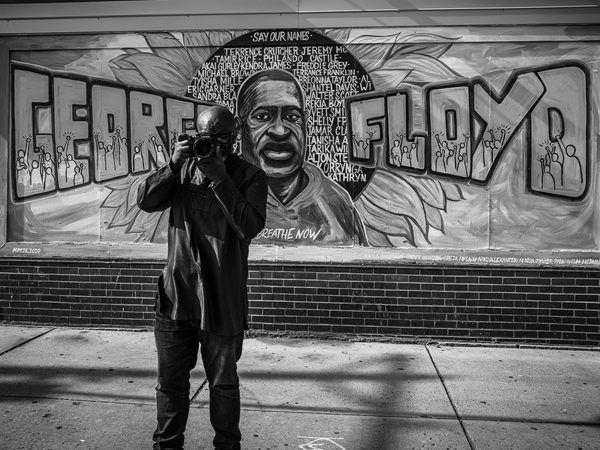
To truly shoot the people means more than just capturing an image; it involves bearing witness. It means wielding the camera not merely as a tool for observation, but as a weapon of testimony against injustice.
This powerful ethos forms the core of Andy Mundy-Castle’s stirring documentary, Shoot the People, which delves into the life and legacy of Nigerian-British photographer and activist Misan Harriman. The film charts how one generation of photographers channeled their outrage and experience through the lens to ensure that the world could not ignore systemic wrongs.
Harriman’s journey is marked by incredible achievements. He became the first Black male photographer to shoot the cover of British Vogue, a high-profile milestone achieved while navigating decades of social and political change. His archive, filled with striking black-and-white portraits, serves as an enduring chronicle of struggle.
The film highlights how Harriman’s work spans pivotal moments in history. We see his images ranging from demonstrators at a pro-Palestine march in London to solemn mourners gathered at George Floyd’s memorial site in Minneapolis. These photographs are not passive records; they are active testimonies that refuse to be silenced.
One of the defining moments in Harriman’s career was an image taken during a Black Lives Matter protest, which went viral after being shared by Martin Luther King III himself. This single photograph exemplifies the power inherent in protest photography—it proves that visual storytelling can cut through noise and demand attention.
Yet, the documentary does not shy away from the complex tension that often accompanies activism and success. Harriman grapples with the irony of his own standing as a successful photographer caught between documenting injustice and capitalizing on the social capital that comes from it. This internal conflict is powerfully illustrated when he attends events like the 96th Academy Awards, where he was nominated while protests raged outside.
The film also pays tribute to the lineage of courage that preceded him. It shines a light on photographers like South African master Peter Magubane, whose unflinching work documented the brutality of apartheid. By honoring these predecessors, the documentary emphasizes that Harriman’s success was built upon a foundation of profound resilience.
Ultimately, Shoot the People succeeds not just as a biographical portrait of one photographer, but as a broader celebration of photography itself—a medium proven capable of functioning as an essential witness in the face of global crises. It reminds us that the camera remains a vital force for accountability.
Buy on Amazon
Credit: Little White Lies