Cate Blanchett asks audience to stop filming play stage is where we can be together
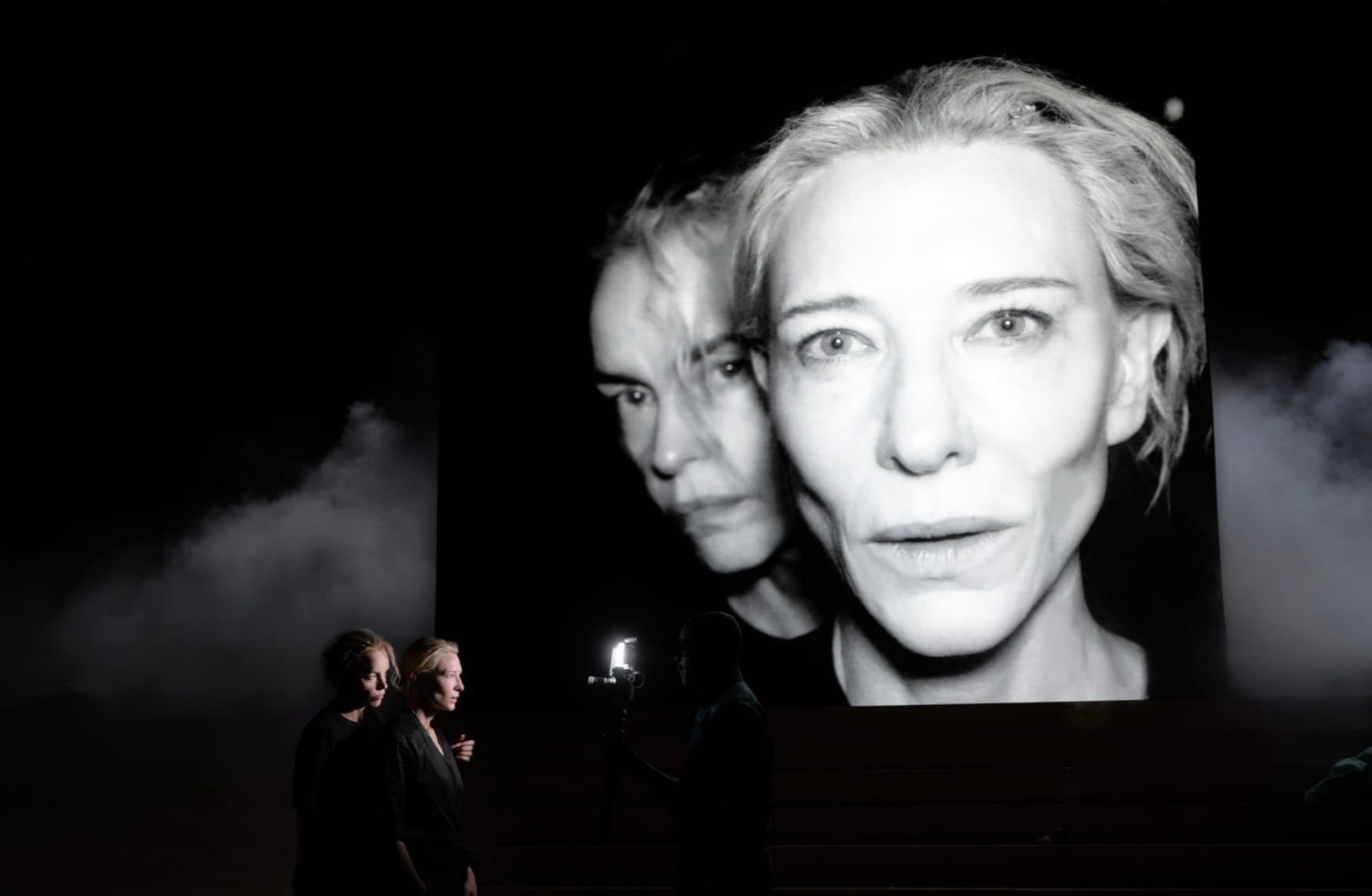
The applause finally subsided, the curtain call concluded, and in the lingering warmth of the London stage, a powerful message resonated far beyond the theatre walls. Cate Blachett, following the performance of Electra/Persona, delivered a poignant instruction to the audience: put away the cellphones and truly immerse yourselves in the experience.
This directive was more than just a polite request; it was an invitation to step outside the noise of the modern world and enter a realm of profound, timeless tragedy and introspection. The fusion of Sophocles’ epic drama, Electra, with the stark psychological depth of Ingmar Bergman’s Persona, offered a theatrical experience that demanded complete attention.
The new production, masterfully written and directed by Benedict Andrews, successfully navigated the complex terrain between ancient fate and modern existential angst. It presented a narrative where the echoes of Greek tragedy met the stark, intimate struggles of the human psyche, creating a dialogue that felt both ancient and intensely contemporary.
Blachett’s reflection highlighted the necessity of deep engagement with the material, emphasizing that true artistic experience requires disconnecting from distraction and focusing entirely on the emotional architecture presented on stage. It underscored the notion that the theatre is a sanctuary for confronting the deepest human truths.
The staging and performance transformed the challenging themes of betrayal, identity, and suffering into a visceral experience. It was a theatrical event that reminded the audience that great drama lies not just in the story, but in the visceral, shared feeling of witnessing that story unfold.
The success of Electra/Persona lies in its ability to bridge historical weight with immediate emotional relevance. It remains a powerful testament to how the enduring conflicts of the past can speak volumes about the anxieties of the present, urging us to look closer at the human condition.
Buy on Amazon
Credit
