Charles Melton calls it a waking dream
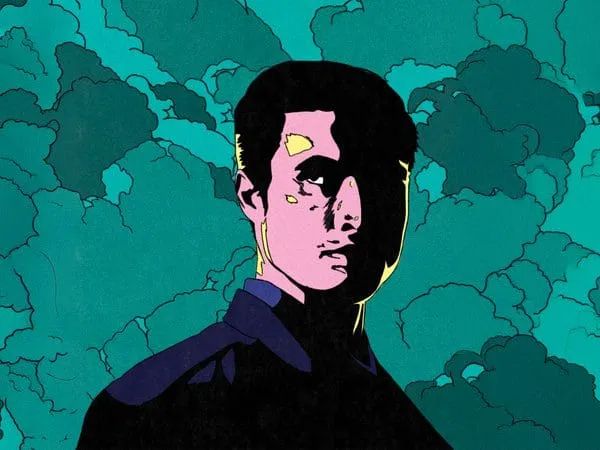
The Art of Contained Chaos: Charles Melton’s Journey into the World of Neon and Violence
In the cinematic landscape, few roles capture the tension of contained turmoil quite like Charles Melton’s performance in Nicolas Winding Refn’s Her Private Hell. Melton steps into the role of Private K, an enigmatic figure whose physical presence is as explosive as his internal struggle, delivering a performance that has critics calling it a major achievement. Yet, this intense new venture is just one chapter in a fascinating trajectory of his career, built on a deep appreciation for visual artistry and visceral storytelling.
Melton’s cinematic palate is anything but narrow. Before landing in Refn’s world, he built his appreciation for film by diving into the great works—from the stark, hypnotic intensity of Drive to the existential dread of Vertigo and the stark realism of Bronson. This history shows a filmmaker who instinctively understands mood, aesthetic, and the dramatic weight of visual storytelling, having absorbed influences from everything from classic art-house cinema to the raw energy of military films.
The collaboration with Refn was an immersive experience, defined by a shared creative trust that allowed for a truly transcendent environment. Melton found that the set itself was a character—a dark studio filled with atmospheric smoke, neon lights, and music, where the crew of only thirty people created an effect that felt less like filming and more like a waking dream. This immersive approach was crucial to the magic of the production.
Refn’s direction fostered an environment where Melton felt empowered to move beyond simply reciting lines. The director operated as a master of suggestion, constantly moving the camera to redefine perspective. This technique taught Melton that subtlety carries immense weight; a slight shift in posture or a tiny movement of the shoulders could communicate profound emotional depth. It was a masterclass in understanding that less is so much more, allowing the performer to harness stillness and movement to carry the narrative.
The transformation of the character required an equally disciplined approach. To achieve the iconic, retro GI look of Private K—a uniform that acts as a visual container for immense internal pain and a lack of control—Melton collaborated closely with costume designer Jane Marshall Whittaker. This aesthetic was not superficial; it was essential, linking the character’s exterior appearance directly to his fractured interior world.
The action sequences in the film were equally demanding. With a background in martial arts, including taekwondo and jiujitsu, Melton approached the choreography with a focus on physical reality. The intense, balletic fight scenes demanded relentless rehearsal and physical conditioning. This commitment extended beyond the screen, involving rigorous physical preparation to ensure safety and focus, mirroring the dedication seen in elite athletes who prioritize their physical state to perform at their peak.
Beyond the technical demands of the performance, the setting provided another layer of inspiration. Melton found profound resonance in Copenhagen, a city celebrated for its incredible culture and artistic output. This experience fueled an appreciation for the visual poetry of the world, reinforcing the idea that great art exists in every facet of life.
Ultimately, Melton’s journey exemplifies a desire to embrace the full spectrum of creative expression. Whether he is dissecting the visual language of a master director, mastering the physicality of a demanding role, or seeking out international collaborations with filmmakers like Lukas Dhont and Paolo Sorrentino, he demonstrates a relentless drive to find and embody the truth within the frame. It is this blend of visceral training, artistic curiosity, and open-minded collaboration that ensures his next chapter promises to be equally compelling.
Buy on Amazon
Credit
