Child’s Play Franchise After Part 3 disappeared
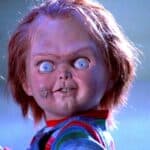
The Unsettling Evolution of Chucky: How a Killer Doll Franchise Went Off the Rails
Few horror franchises manage to evolve gracefully, but the story of Child’s Play is less an evolution and more a wild, unpredictable detour. While other horror series maintain a recognizable core identity through countless sequels, the journey of Chucky has taken a truly bizarre turn. It started as pure suspenseful horror and ended up as a chaotic mix of dark comedy, self-aware commentary, and genre mashups. So what happened to the doll that launched a thousand nightmares?
The original trilogy—the first three films—stands out for its shocking consistency. Despite shifting directors and casting throughout the years, those initial movies maintained an ironclad identity: Chucky was dangerous first and funny second, Andy Barclay endured his trauma, and the supernatural rules held firm. This solid foundation is precisely what makes the subsequent changes so jarring.
The initial success of Child’s Play (1988) was built on a deceptively simple premise: an ordinary toy suddenly became a serial killer. The film made a remarkable $44 million worldwide, proving that audiences were ready for toys to be terrifying. Key creative forces, including director Tom Holland and story creator Don Mancini, established the core dynamic. The genius lay in making the doll’s reign of terror feel grounded, built around Andy Barclay’s evolving psychological trauma.
However, once the franchise entered the next phase, changes began to take hold. Studio pressures following the success of Child’s Play 3 accelerated a rapid, often chaotic transformation. The shift wasn’t just about new faces; it was about completely altering the genre. This is where the narrative begins to fray.
The creative pivot came with Bride of Chucky (1998). While this film successfully introduced a new, more stylish direction—blending horror with comedy and road-movie aesthetics—it cemented the franchise’s shift from pure suspense to outright camp. This change was driven by producers and creators who sought to make the story less repetitive, injecting humor and visual flair that demanded attention.
The real turning point arrived with Seed of Chucky (2004). Don Mancini finally stepped into the director’s chair, bringing deeply personal themes about identity and family into the narrative. While artistically ambitious, the focus shifted away from traditional horror. This move toward dark comedy and self-reference, along with a departure from the core horror framework, alienated many longtime fans who were looking for the original suspense.
In the years that followed, the franchise explored various paths: Curse of Chucky attempted a return to scares, bringing back familiar faces while weaving in complex continuity. Later entries like Cult of Chucky expanded the mythology with multiple iterations and crossovers, pleasing some devoted fans but further complicating the original simple rules. Even the 2019 reboot, featuring Mark Hamill, tried to reset the concept entirely by reframing Chucky as an AI killer, proving that audiences are always looking for a fresh take.
Ultimately, the Child’s Play saga is less a single horror franchise and more a constellation of interconnected stories. It encompasses the original, terrifying trilogy alongside eras of self-aware comedy, direct-to-video mythology, and modern AI reimaginings. Despite all the tonal shifts and creative upheavals, one truth remains: those first three films still hold an untouchable spot in horror history.
Buy on Amazon
Credit