Chris Nolan on modern film criticism
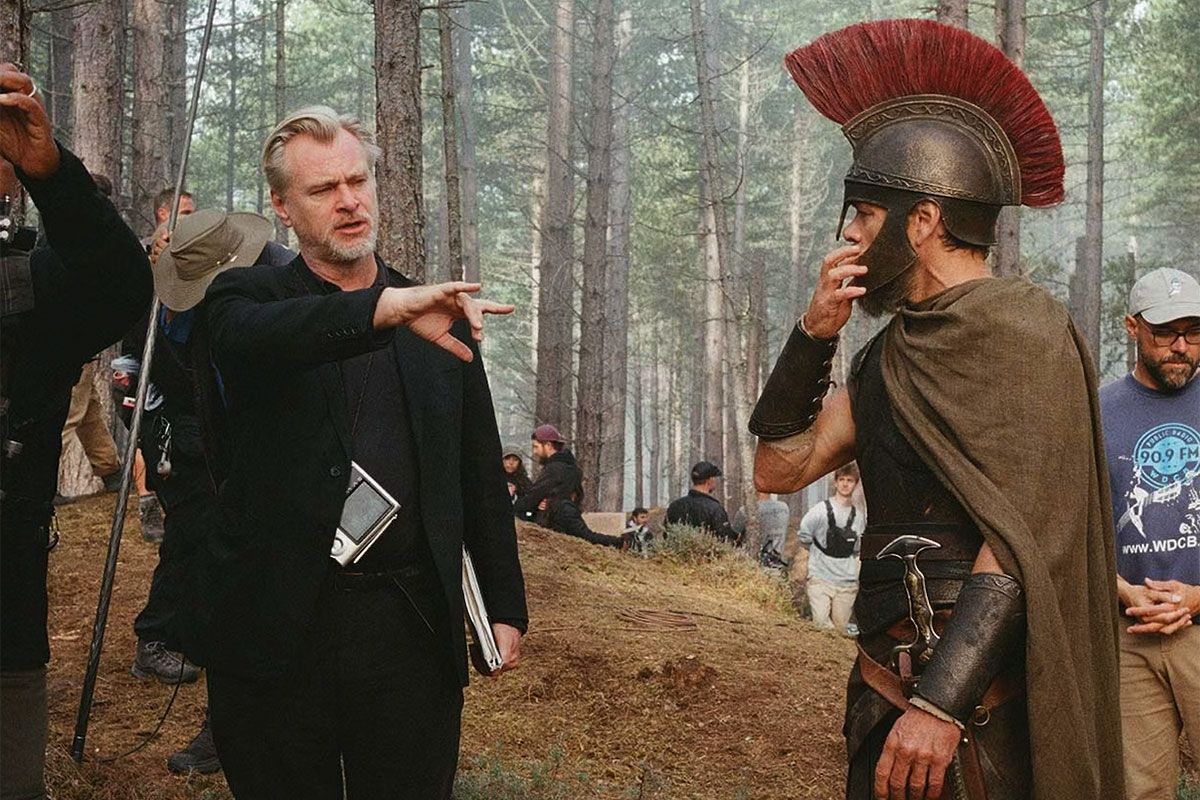
In the world of film reviews, nitpicking is practically a rite of passage. Across various platforms, from YouTube channels to online forums, there is an undeniable appetite for dissecting every narrative choice and pointing out perceived flaws. This trend often focuses heavily on storytelling tropes—the familiar formulas that underpin almost every screen story, whether it’s the classic rags-to-riches arc or the familiar hero’s journey.
But when a film master like Christopher Nolan tackles these established patterns, the conversation shifts from flaw identification to foundational structure. His latest cinematic venture, The Odyssey, is an adaptation of one of the most enduring stories that helped define the modern archetype: the hero’s journey.
Despite the common tendency for some critics to view recognition of these narrative mechanisms as a failure, Nolan offers a nuanced perspective on film criticism. In an interview, he addresses the persistent idea that understanding a story’s structure somehow invalidates its impact.
Nolan suggests that focusing too much on spotting tropes hinders true appreciation. He argues that identifying a storytelling mechanism does not automatically invalidate it. “That’s a fundamental flaw of film criticism and storytelling criticism because to be able to identify the mechanism does not invalidate the mechanism. That’s a real problem with criticism today: people have this idea that because I can understand why the story effects me the way it is, therefore it didn’t work – that’s not how storytelling works.”
He further notes that while amateur criticism often falls into this trap—believing that recognizing a trope means the film has failed—professional critics tend to understand the necessity of these mechanisms. As cinematic language constantly evolves, so too must its narrative tools. When a trope becomes overly familiar to an audience, it simply signals the need for evolution and change.
This philosophical approach highlights the success of films like The Odyssey. The film has garnered significant acclaim, holding impressive ratings on Rotten Tomatoes with 94% from critics and 97% from audiences. This widespread approval demonstrates that audiences appreciate narrative familiarity when it is executed brilliantly.
Whether you dissect a scene for detail or recognize a pattern for context, the true joy of cinema lies in appreciating the craft. Ultimately, Nolan’s view encourages us to look beyond surface-level tropes and appreciate the powerful mechanics that shape our shared cinematic experiences.
Buy on Amazon
Credit
