Clayface Reviews Are In
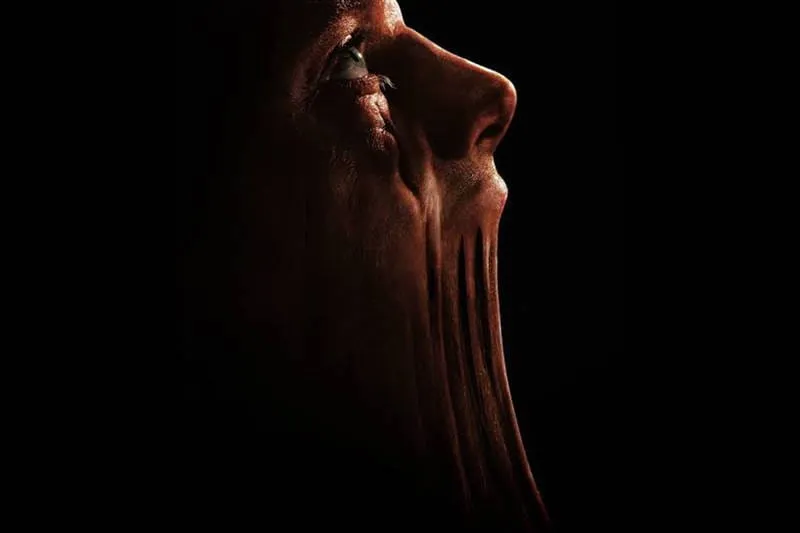
The cinematic landscape has settled into a mixed opinion regarding DC Studios’ latest offering, Clayface. While the film landed somewhere in the middle, it managed to stir controversy and sparks of praise, particularly within the realm of body horror and genre-blending spectacle.
With 83 reviews counted, the movie sits at 75% on Rotten Tomatoes and scores 59/100 on Metacritic. This places it comfortably above the often-panned Supergirl, marking a noticeable step up in critical reception. However, it still falls short of the stellar heights achieved by Gunn’s Superman, which garnered 83% on RT.
The critical reaction isn’t a simple split between love and hate; instead, most reviews settle into a fairly mixed picture, frequently awarding scores of 3/5 and 3.5/5. This suggests that the film succeeds in specific areas—hitting certain set pieces and allowing the lead performances to shine—while struggling with other elements.
The core of the discussion revolves around the filmmaking fundamentals. While some critics found the concept fresh and enjoyable, others pointed to structural and tonal inconsistencies. For instance, some reviewers noted that the film was a full-on body horror experience, filled with squirm-inducing moments, particularly in the first half.
Despite these structural critiques, the actors deserve recognition. The British leads were singled out for their impressive work, with praise noting how they managed to deliver compelling performances amidst the bizarre circumstances. One review highlighted the skill of the cast, pointing to the transformation of actors who successfully navigated complex and grotesque material.
The visual and thematic aspects offered plenty to talk about. Reviewers appreciated the gruesome spectacle and the fantastic sequences that unfolded as the shapeshifter sought revenge. The interplay between the visceral horror and the dramatic conflict created an undeniably entertaining, if sometimes messy, experience.
However, the uneven nature of the film became a central point of contention. Critics noted that the editing, writing, and overall tone seemed malleable, often giving way to the escalating violence and blood as the film progressed. Some felt the ambition of the story ultimately became a misfire, unable to conform to a single cohesive vision.
The director, James Watkins, was praised for using the scenario to create deeply gruesome horror scenarios, yet some felt this focus came at the expense of deeper character development. The tension between the visceral thrills and the narrative structure provides a fascinating case study in how genre-melding films balance spectacle with storytelling. Ultimately, Clayface is a film that demands attention, even if it leaves the audience debating whether its ambition was worth the eventual, bloodier conclusion.
Buy on Amazon
Credit
