Clayface: The DC Box Office Hit After Supergirl
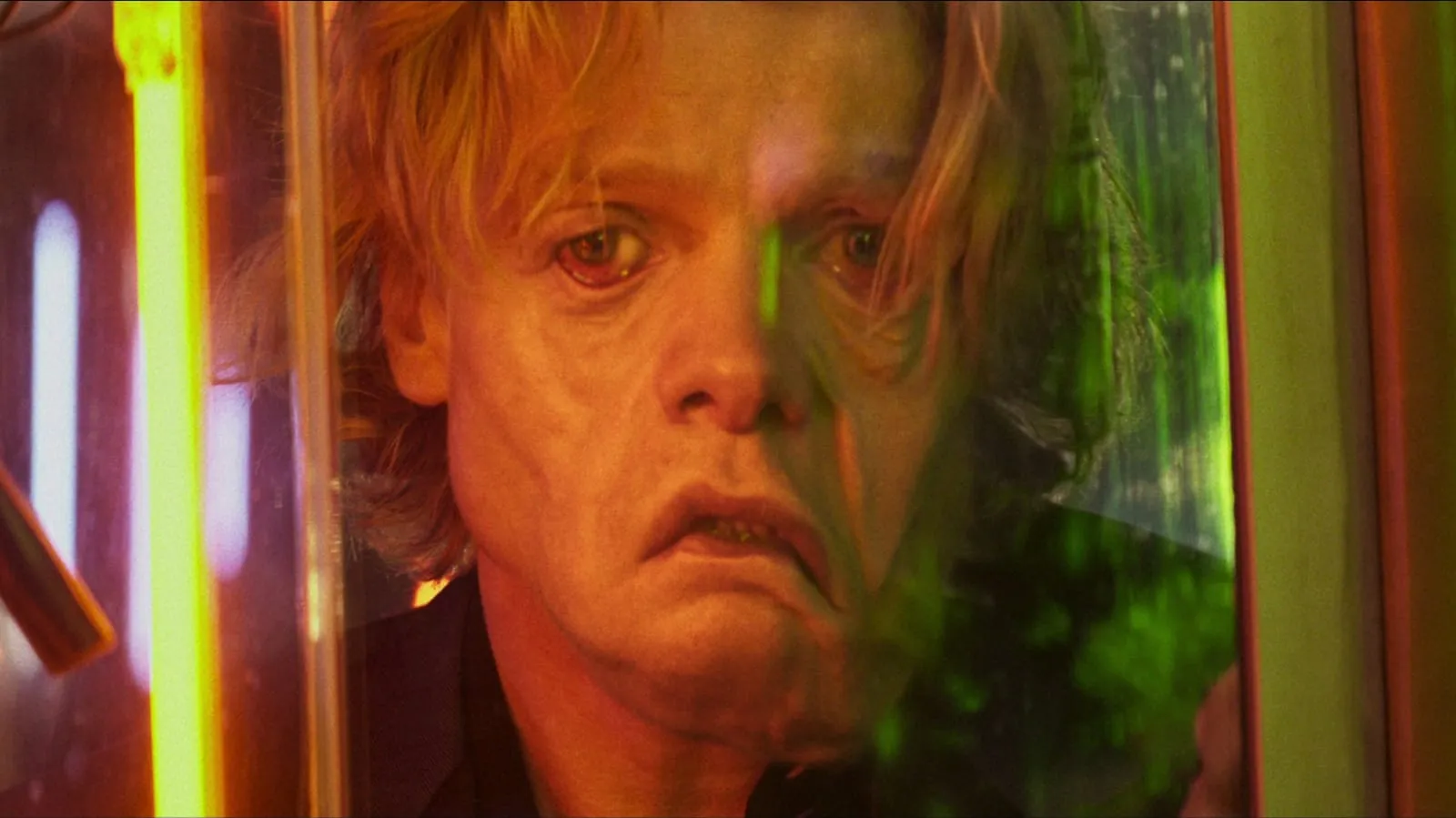
The Clayface Conundrum: Can an R-Rated Villain Conquer the DC Box Office?
The landscape of superhero cinema is perpetually hungry for new angles, and the sprawling DC Universe, while rich with mythology, often struggles to translate that depth into mainstream blockbuster success. As studios look for the next big franchise, the question inevitably shifts from who the heroes are to who the villains can be. Enter the specter of Clayface, a character whose grotesque nature and theatrical history offer a unique, yet perilous, entry point into the cinematic arena.
Could a film centered on this R-rated anti-hero succeed where so many other cinematic concepts have faltered? The answer hinges not just on the spectacle of the costume, but on the delicate balance required to navigate mature themes within the established superhero framework.
Clayface, with his history of transformation and performance, brings an inherently volatile energy to the screen. This is not simply another costumed adversary; it is a figure steeped in performance, identity, and the blurred line between art and atrocity. This complex layering provides fertile ground for a narrative that dives deeper than typical comic book action.
However, the challenge lies in the execution. The market demands both visceral thrills and compelling character arcs. A film relying solely on shock value risks alienating potential audiences, while a film that leans too heavily into the R-rating might sacrifice the broader appeal necessary for true box office dominance.
The success of such a project would depend entirely on the storytelling. It must manage the dichotomy of the R-rated content, ensuring that the violence and themes serve the character’s journey rather than overwhelming it. The narrative needs to explore the psychological toll of transformation—the public perception versus the private reality of the shapeshifter—making the stakes personal and deeply uncomfortable.
Furthermore, the context of the DC Universe is critical. A villain of this magnitude must integrate seamlessly with the existing mythology. Is Clayface merely an isolated threat, or does his existence expose deeper cracks in the foundations of the DC world? Positioning him within established lore, rather than treating him as a standalone spectacle, is the key to maximizing engagement.
If approached with subtlety and maturity, the film could transcend the typical superhero fare. It could tap into the adult audience’s appetite for morally ambiguous characters and explore themes of artistic expression, societal fear, and the consequences of unchecked power.
Ultimately, the potential is vast. Clayface offers a chance to experiment with tone, push the boundaries of cinematic rating, and introduce a villain whose very existence forces audiences to confront uncomfortable truths. If the filmmakers can harness this raw, R-rated intensity and anchor it with genuinely compelling character work, the shapeshifter might just find the wide-open space needed to become a genuine box office phenomenon. It’s a gamble, but one with the potential for a truly unforgettable cinematic event.
Buy on Amazon
Credit