Costume Designers Shatter the Myth of Dressing Contemporary Characters
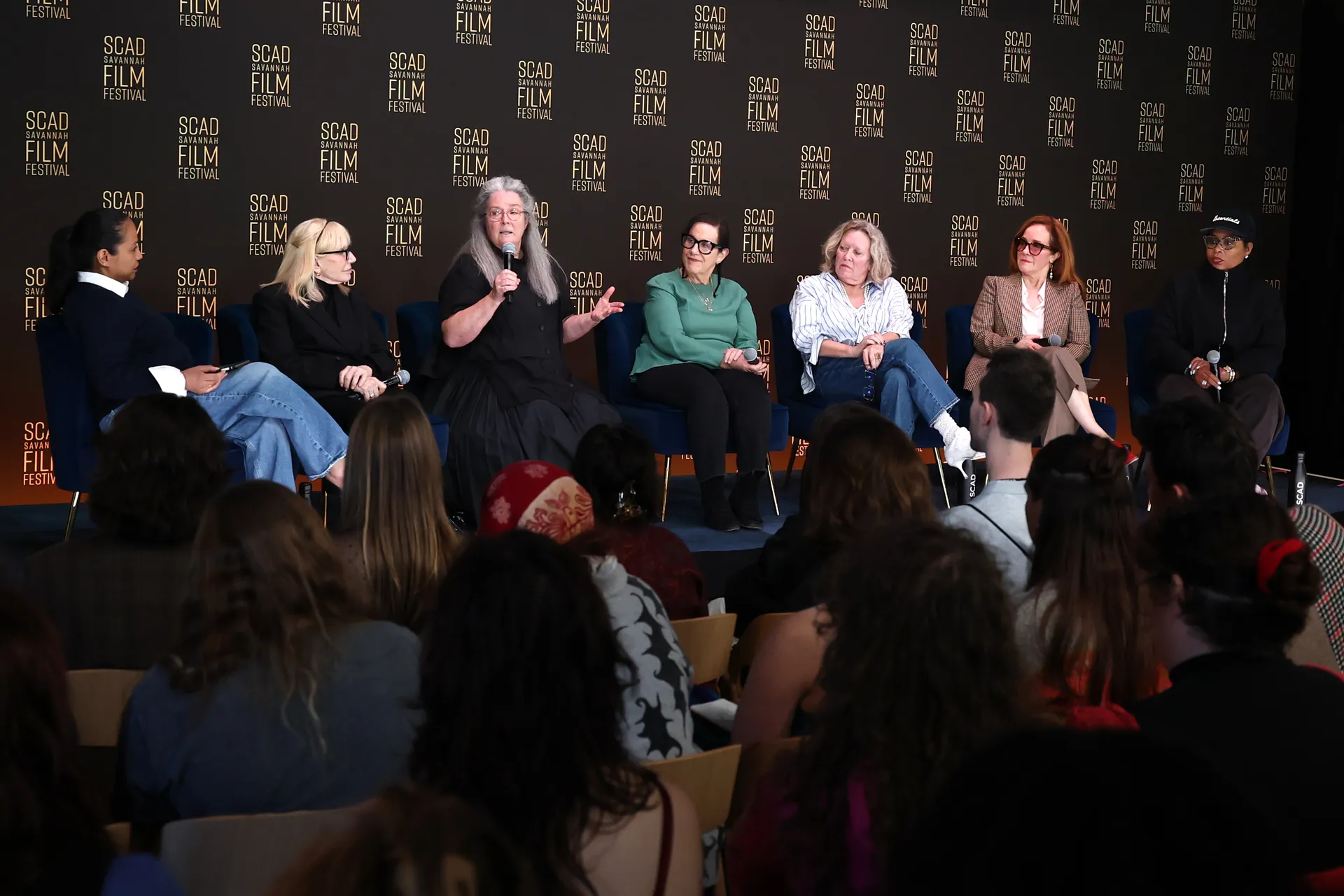
Forget the notion that film costume design is simply about shopping for the perfect wardrobe. In the world of cinema, contemporary design is far more complex, acting as a powerful visual language that weaves deep storytelling and complex emotional arcs into every frame.
This isn’t merely about selecting clothes; it’s about understanding character psychology, historical context, and the unspoken narrative a garment must carry. The costumes on screen are not just accessories—they are essential characters in their own right, communicating volumes before a single line of dialogue is spoken.
This profound understanding is perfectly illustrated by the work of designers who elevate cinema above mere spectacle. Molly Rogers, a figure celebrated for her transformative contributions to film aesthetics, offers a compelling perspective on this artistry.
Rogers’ experience spans iconic projects, including her work on the highly acclaimed film The Devil Wears Prada, where she served as an assistant costume designer, and her subsequent role as costume designer for the sequel.
She argues that the true craft lies in the intentionality behind every choice. Rogers reflects that when approached by others, the focus shifts away from surface-level trends and toward the foundational narrative work.
She encapsulates this philosophy in a revealing sentiment: “When someone comes up to me and says, ‘I really […]”
This insight underscores the critical role costume designers play: they are not merely stylists, but visual architects, using fabric and form to build worlds and give voice to the characters that inhabit them.
Buy on Amazon
Credit
