Creepy Twins, Fanatics, and a Loaded Gun in Godhead
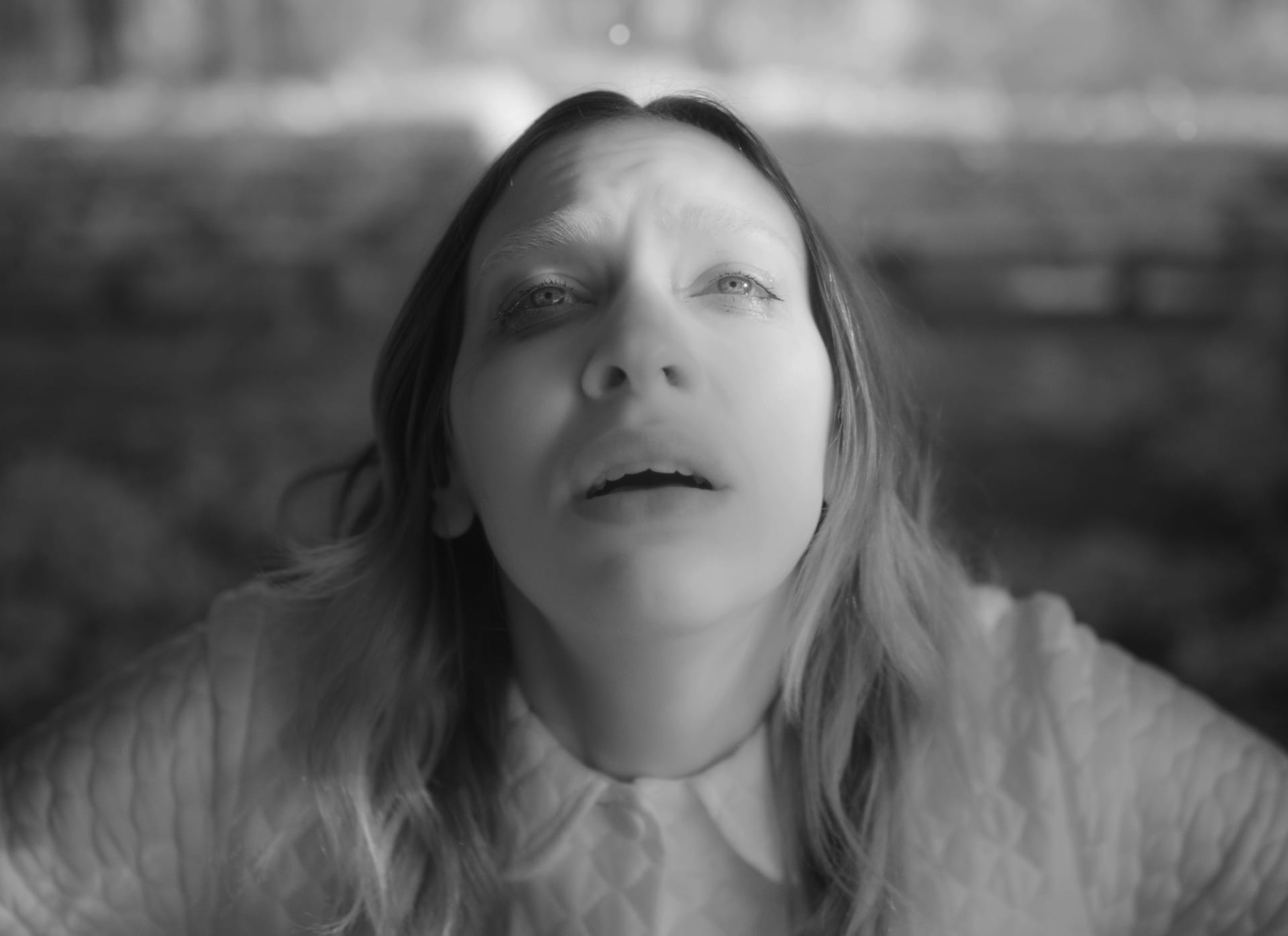
Mark H. Rapaport’s latest cinematic offering, Godhead, doesn’t just tell a story—it masterfully ratchets up the tension until the very frame feels charged with unspoken secrets. It is less a film and more an immersive experience, using stark visual choices to pull the audience directly into the uncomfortable, unknowable dance between its central figures.
The aesthetic of the movie is immediately striking. Shot entirely in black-and-white, the cinematography employs a camerawork that transforms the act of viewing into something akin to voyeurism. Every shadow and every stark line serves to expose layers of perverse secrets hidden beneath the surface of the narrative, forcing the viewer to confront uncomfortable truths about human nature.
Godhead is a potent exploration of the paradoxes inherent in the human condition. Rapaport expertly blends profound religious faith with raw sexuality, intricate lies, and palpable discomfort. These elements are not simply juxtaposed; they are woven together into an intricate tapestry that defies easy categorization.
At the heart of this complex emotional landscape is a deceptively simple premise. The narrative centers on a rural Catholic priest, played by Al Warren, whose life is about to be irrevocably altered as he navigates these intense and conflicting realities.
Warren’s journey delves deep into the fragile boundaries between spiritual devotion and visceral desire. The film uses this tension not for shock value alone, but to explore the profound psychological weight carried by those who attempt to reconcile their sacred roles with deeply human, often messy, desires.
Through this lens, the film offers a haunting meditation on morality, hypocrisy, and the difficult negotiation between public piety and private sin. It demands that the audience sit with the unsettling tension, not just observe it.
Godhead succeeds because it refuses easy answers. It leaves the viewer immersed in an ambiguous space where faith, lust, deception, and deep existential discomfort converge into a singular, unforgettable cinematic experience. It is a stark, beautiful, and deeply unsettling exploration of what happens when the sacred collides with the profane.
Credit
