Discovering Kyrgyz Cinema: A Visual Journey
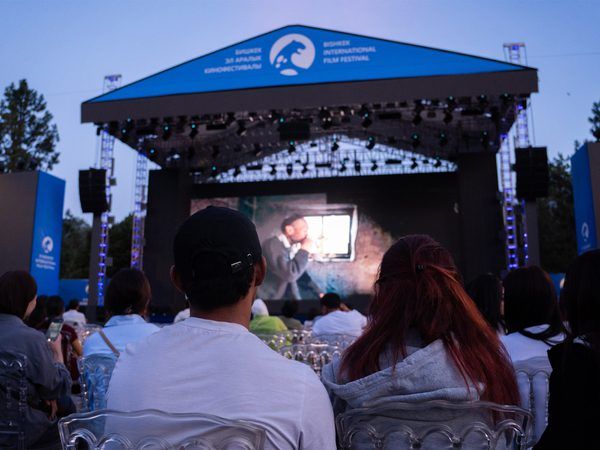
As the last rays of sunlight spill across Ala-Too Square, the fourth edition of the Bishkek International Film Festival kicks off, promising a spectacle of state-sponsored ambition. Yet, beneath the carefully staged musical numbers and lengthy governmental speeches, a far more compelling story is unfolding—one driven by a zealous grassroots community of programmers, critics, and filmmakers determined to place Kyrgyzstan firmly on the global cinematic map.
The opening ceremony, held on ground symbolic of historical revolutions, presents an image of grand cultural ambition. While official narratives focus on soft power and state mandate, the real energy resides in the faces gathered: a mix of old and young talent, including seasoned actors and emerging stars who represent the region’s diverse cinematic voice.
But for those immersed in the community, the festival serves as an entry point. It is here that the true work begins, moving beyond official pronouncements to cultivate a robust cinema culture from the ground up. This movement has transformed Bishkek into a vibrant hub where local talent challenges established norms and insists on telling Kyrgyz stories on their own terms.
The scale of this growth is remarkable. Recall the festival’s humble origins, where retrospective programs were curated in small halls. Now, thanks to the presence of national cinema sections and international guests, the Bishkek IFF has soared into the most important film festival of the region in just four years.
At the heart of this development is Sultan Usuvaliev, a programmer of the Central Asian Competition who views his role not merely as curation but as mapping new territory. He sees the festival infrastructure as a way to deepen collective understanding of regional cinema, likening his work to that of a video-game designer drawing the world’s map—layer by layer.
Usuvaliev’s vision extends into critical development through Synchy, a publication dedicated to nurturing a new generation of Kyrgyz critics. Co-founded alongside the filmmaker Tynystan Temirzhan, Synchy challenges the status quo and engages with complex issues like censorship in Kyrgyz film. It provides a vital outlet for young voices who critically engage with their national cinema.
Temirzhan embodies this spirit of radical action through his work with the grassroots collective Tartaly. This group of young directors takes a decidedly DIY approach to documentary filmmaking, driven by frustration over limited funding and stagnant film education. They organized cinematic expeditions across rural Kyrgyzstan, improvising stories in the field, resulting in a powerful body of non-fiction shorts.
This collaborative spirit has yielded an astonishing amount of work, with the group producing over 200 films. Their ethos is rooted in the “collectivized spirit of building a local cinema,” prioritizing the process of making films together over merely achieving results. Their success stories, such as The Green Field, have resonated not only locally but also among academics who praise their ethnographic work for cinematically mapping present-day rural Kyrgyzstan.
While this local ecosystem flourishes—fostering independent films and critical outlets—a subtle philosophical tension remains. Usuvaliev and Temirzhan seek to build a unified creative hub, yearning for a shared co-presence among Central Asian cultures, rather than a unity that erases diversity. This patient, ground-level labor of filmmakers, scholars, and critics is ultimately what is drawing the region’s place in world cinema, writing the new chapter of Kyrgyz film on its own terms.
Buy on Amazon
Credit