Disobedience is the beginning of responsibility
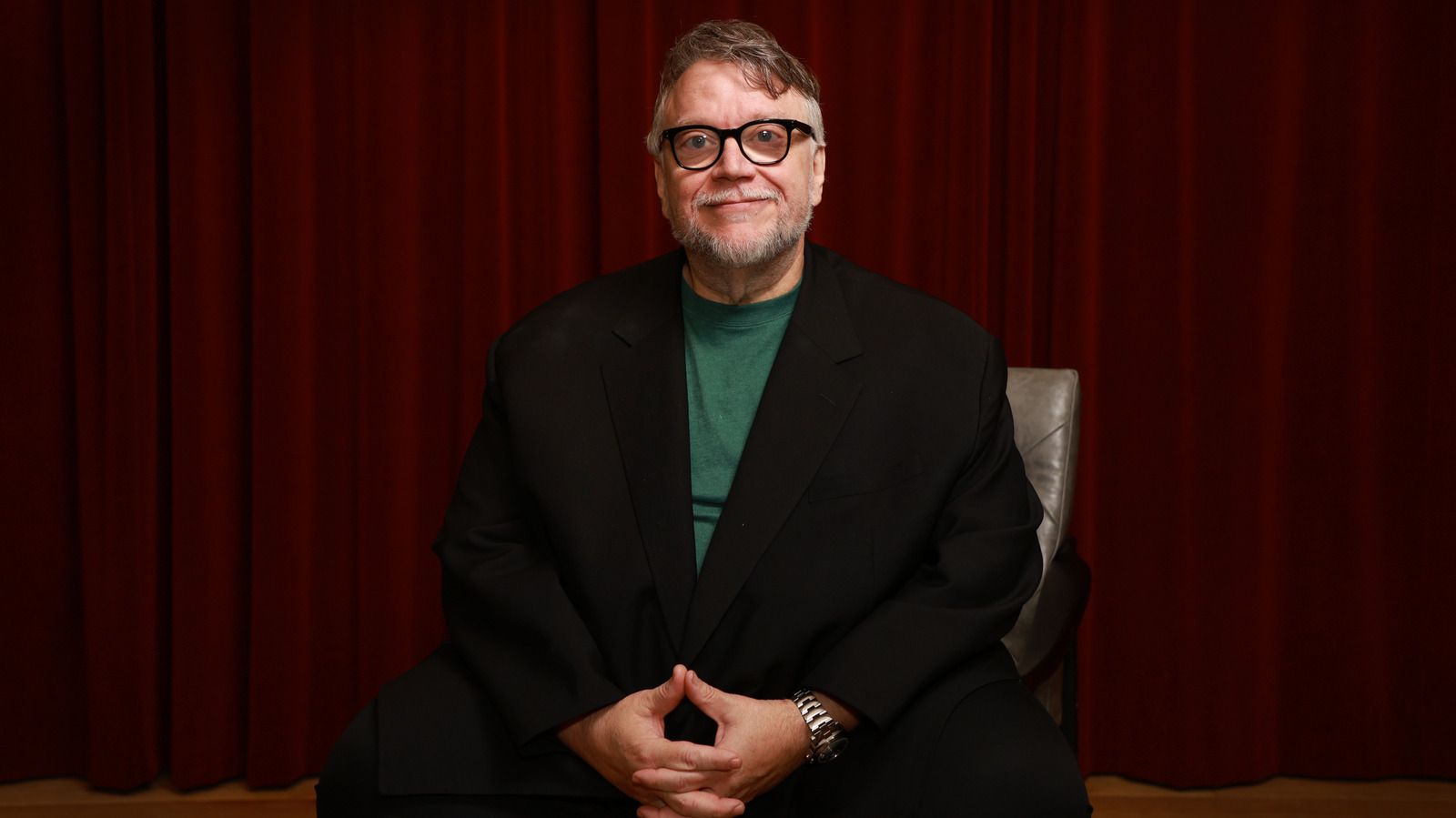
Guillermo del Toro’s cinematic universe is often steeped in shadows and fairy tales, but beneath the surface of his visually stunning work lies a profound exploration of human nature—specifically, the complex relationship between freedom, fear, and duty.
A recurring motif throughout his filmography is the theme of disobedience. These characters are frequently cast outside established societal boundaries, defying expectations and succumbing to morally ambiguous choices that drive the narrative forward.
For del Toro, this act of refusal is more than just rebellion; it is a crucial philosophical stepping stone. In an illuminating interview regarding his masterpiece, Pan’s Labyrinth, he framed disobedience not as mere defiance, but as a foundational element of maturity.
Del Toro famously suggested that stepping outside the lines—the choice to disobey—is the very genesis of responsibility. It suggests that true accountability is born from the choices we make when we reject the easy path.
This perspective elevates his characters beyond simple antagonists or protagonists, positioning them as figures who must grapple with the heavy weight of their freedom. Their journeys force an examination of what it means to be accountable for actions that push against the accepted order.
By exploring these difficult ethical landscapes, del Toro uses disobedience as a powerful lens through which to examine the darker, more complicated aspects of human existence and the inescapable connections between personal freedom and moral obligation.
Buy on Amazon
Credit
