Dog Stars review: Sickly sweet hope
A wave of what we are currently calling “hopecore” is sweeping through the cinematic landscape. These films take often bleak, apocalyptic settings and flip them on their head, proposing that simple kindness and human connection can conquer all. Titles like Project Hail Mary, Mickey 17, and Disclosure Day exemplify this movement, offering viewers a dose of optimistic sentimentality.
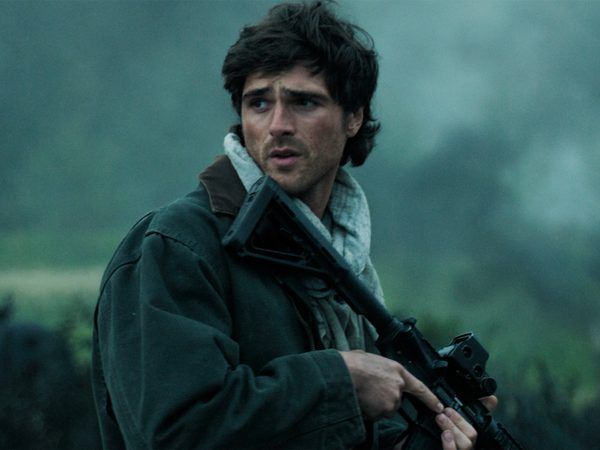
Now, Ridley Scott is joining this evolving trend with his latest venture, The Dog Stars. Set in the year 2035, the film plunges us into a world ravaged by a virus, where the remnants of humanity are reduced to a few gruff survivors. Amidst the ruins of an abandoned city, we meet Hig and Bangley, two of the world’s most beautiful people, struggling for survival.
Hig, a mechanic of simple means, attempts to navigate the desolate landscape, flying his battered Cessna with his dog Jasper in search of supplies. His journey takes him through various pockets of the wasteland, from hillside Mennonite communities to desperate scavenging runs, all while wrestling with the harsh realities of post-apocalyptic existence.
While the narrative focuses on the emotional weight of human survival, the action itself is brutally grounded. The film balances saccharine themes—the lament for lost vaccines, the urgent need for human bonds, and the appreciation for simple comforts like a starry sky—with stark, chaotic violence. When danger arrives, it is often delivered by unsympathetic hordes, tattooed or war-painted groups, emphasizing that true survival demands risk and resilience.
The heart of The Dog Stars, however, is less about genuine despair and more about a carefully curated aesthetic. Scott’s vision is saturated with nostalgia for Americana, a jumble of sentimentality, and a heavy dose of soft-focus drama. This feeling is amplified by a distinct cinematic style that leans heavily into comfort, wrapping up intense action with gentle, wistful reflections.
And let’s not forget the subtle, yet pervasive, layer of commercialism woven throughout the narrative. Product placement, from a box of Sprite and Coca-Cola bottles to Bulleit Bourbon for bonding moments and even a copy of David Foster Wallace’s Infinite Jest nestled between grenades and aviation gear, contributes to the overall atmosphere. It’s a cinematic cocktail of Americana, spirituality, and manufactured desire.
Ultimately, what emerges from Scott’s latest effort is a powerful, if slightly polished, message: embrace the good, cherish the small things, and actively search for your people when the world feels most broken. It’s a reminder that even in the face of overwhelming chaos, the simple pleasures—a good drink, a favorite song, and the fierce loyalty of a few—remain essential. It’s a visually appealing journey that insists we enjoy what we have, one bottle of whiskey and one memory at a time.
Buy on Amazon
Credit