
Dominic Sessa: Teenage Anthony Bourdain in the making
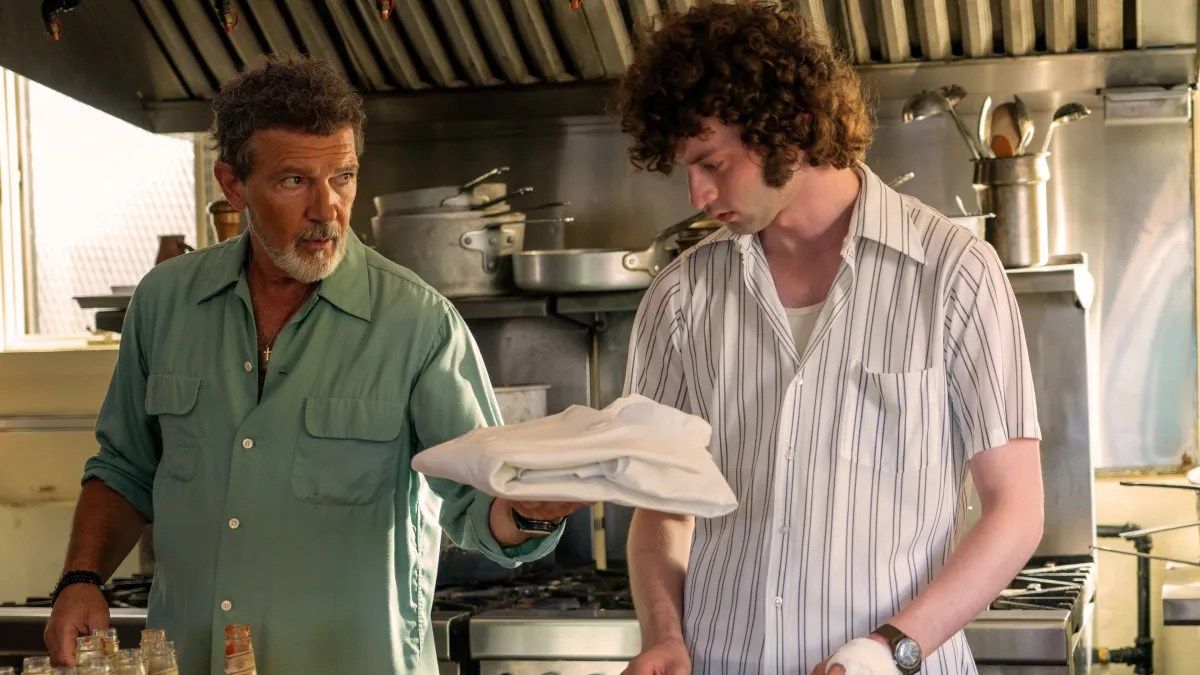
Anthony Bourdain remains one of the most indelible figures in modern culture—a man who tasted the world and brought its flavors, philosophies, and chaotic humanity directly into our living rooms. He wasn’t merely a chef or a travel writer; he was an alchemist, a provocateur, and a genuine star whose influence stretched far beyond the confines of fine dining.
His reputation was built on an unparalleled mastery of the kitchen, a deep-seated understanding of ingredients that transcended mere cooking. Bourdain approached food not just as sustenance, but as a profound cultural language—a means to connect disparate people across borders and divides. He possessed the rare ability to strip away pretense, revealing the raw, messy, and utterly authentic experience of eating in every corner of the globe he explored.
Bourdain’s journey was defined by a relentless curiosity. Whether navigating the frenetic energy of a bustling street market or finding solace in the quiet intimacy of a remote village kitchen, his work was an invitation to experience life with an open appetite. He cultivated a worldview where the culinary experience was inseparable from human connection, a philosophy that resonated deeply with anyone who had ever felt adrift in a modern world.
Yet, this immense brilliance existed alongside a profound internal complexity. The public saw the charismatic, fearless explorer and the undisputed master of flavor. But beneath the surface lay a man grappling with the intense pressures of fame, the solitude of his experiences, and the often-unspoken weight of his personal battles. The narrative of Anthony Bourdain is not simply one of culinary triumphs; it is a complicated exploration of genius, vulnerability, and the harsh realities that can shadow even the brightest lights.
The story of his life, and its tragic conclusion at the age of 61, serves as a stark reminder that brilliance does not always insulate against pain. It forces us to reconsider the relationship between public persona and private reality, and the silent struggles that can accompany a life lived intensely and exposed to the full spectrum of human experience.
His legacy endures not just in the recipes he shared or the places he documented, but in the enduring challenge to view the world—and ourselves—with greater empathy and honesty. He remains a powerful figure, prompting us to savor the moments we have and to recognize the profound, often paradoxical, nature of the human spirit.
Buy on Amazon
Credit