Election Night Watch: More Data and Network Competition
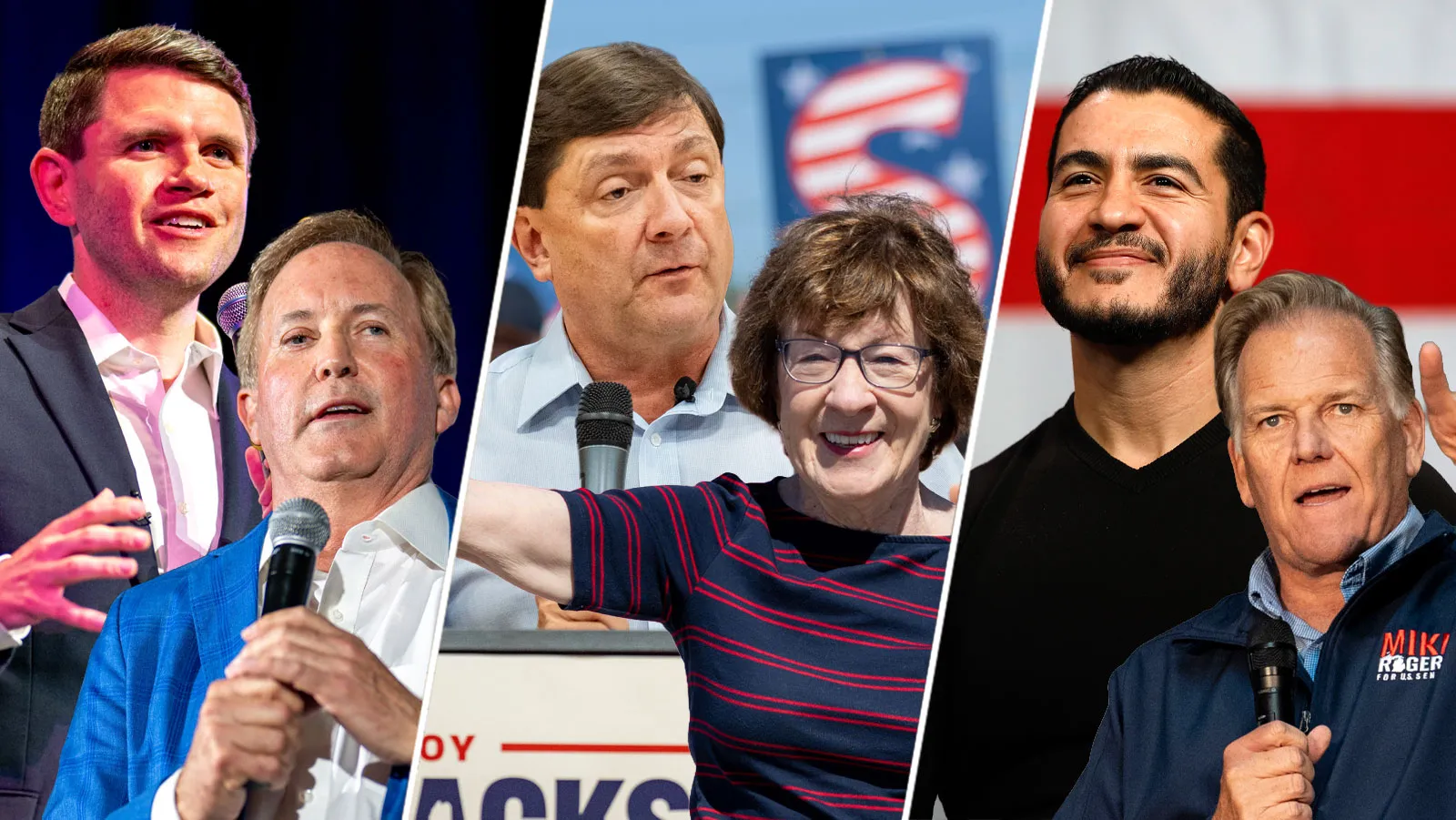
As the political calendar winds down, the television landscape is bracing for what promises to be a monumental broadcast event: Election Night next week. Networks are not just preparing for a routine broadcast; they are preparing for a media spectacle, poised to deliver coverage that is both deeper and far more engaging than in recent midterm cycles.
This upcoming election night signals a significant evolution in how political narratives are consumed. The expectation is that linear television will move beyond traditional news delivery, embracing a richer, more dynamic presentation. This means viewers can anticipate a flood of meticulously gathered data, expanded context, and the sophisticated visual elements—the bells and whistles—that make complex political events accessible and compelling.
The groundwork for this enhanced coverage is being laid by an unprecedented external force. The robust plans across the linear landscape are not solely internal; they are being fueled by a massive digital ecosystem. A veritable blizzard of content creators is mobilizing, encompassing podcasters, insightful pundits, and popular creators on platforms like YouTube.
This shift reflects a broader trend: the public demands not just information, but context, analysis, and diverse perspectives. By integrating these voices and data points, networks are attempting to harness the power of the digital sphere to deepen the viewer experience. The result is a media environment that is more layered, more participatory, and ultimately, more potent.
The integration of these digital voices promises to transform Election Night from a simple viewing event into an interactive experience, where traditional broadcast meets the boundless energy of online commentary. The focus is clear: to deliver not just the facts of the election, but the full, intricate story unfolding around them.
Buy on Amazon
Credit