Elm Street Reboots Race
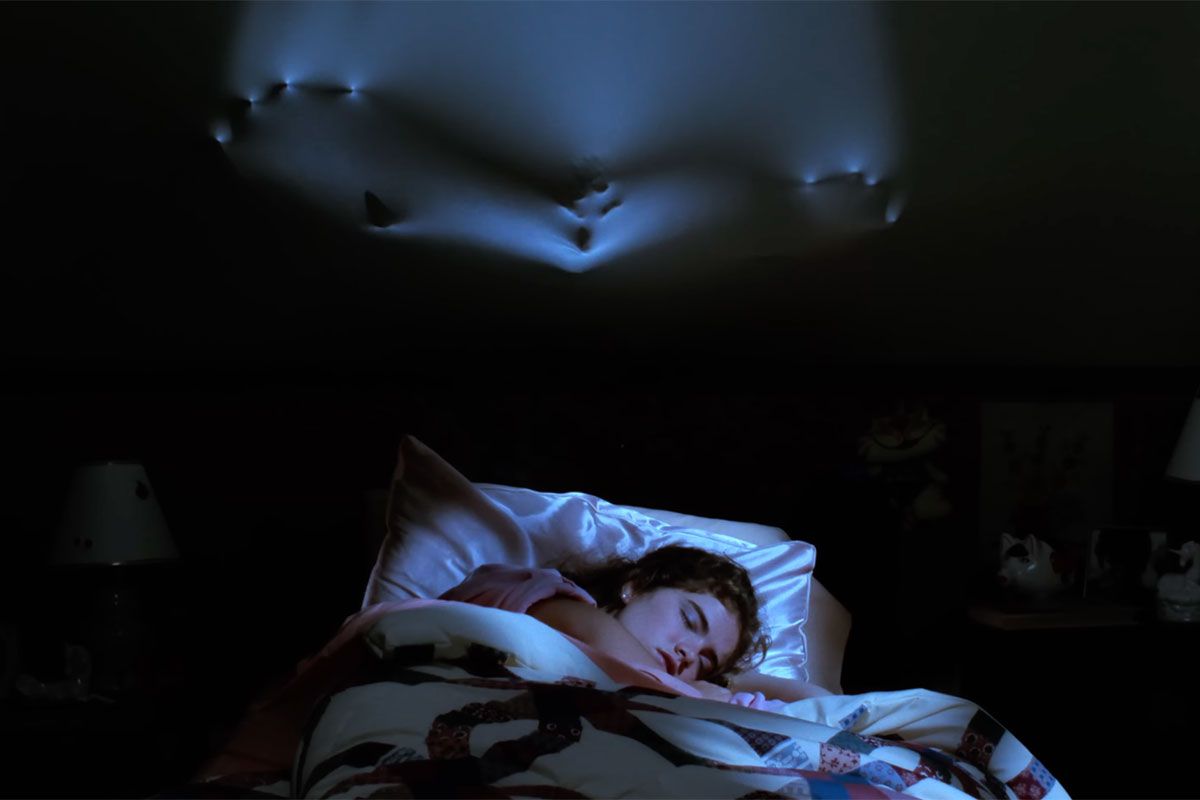
When major film studios pause their ambitious projects, it often clears the path for unexpected rivalries. In the case of Paramount and Warner Bros. Discovery, the hiatus is setting the stage for a high-stakes intellectual property race over a classic horror legend: the entire A Nightmare on Elm Street franchise.
The tension stems from recent developments surrounding the rights to the beloved Wes Craven classic. Paramount Pictures recently finalized a deal with Craven’s estate for the U.S. rights to the original 1984 screenplay, a move managed under the new Paramount Primal genre label. While this secured a cinematic property for Paramount, it left international rights in the hands of Warner Bros. Discovery.
But the real game isn’t about who owns the initial script; it’s about who gets to craft the next iteration. Sources indicate that Warner Bros. is not sitting still and is moving aggressively to secure its own version of the “Elm Street” saga. They are reportedly in talks with director Lee Cronin, aiming to produce, write, and direct their own cinematic take.
The delay has turned this into a true corporate sprint. While Paramount was waiting for timelines to align, Warner Bros. is already locking down creative talent, putting them significantly ahead in the pursuit of a new property. This move amplifies the stakes considerably, transforming a studio negotiation into an intense battle for creative control.
Paramount has established some powerful backing for their project, leveraging connections within the Craven family. Iya Labunka, Craven’s widow, and Jonathan Craven, his son, are reportedly involved in producing alongside acclaimed figures like Marc Toberoff and the dynamic duo J.D. Lifshitz and Raphael Margules.
Despite Warner Bros.’ efforts to approach the estate for their own project, they reportedly drew a line on an “aggressive back-end split” with the rights holders. This refusal highlights a key difference: Paramount’s agreement was strictly confined to the first film, limited solely to U.S. release and merchandise exploitation, offering Warner Bros. far greater freedom over future intellectual property development.
Ultimately, the studios are locked in a race to define the future of Freddy Krueger‘s legacy. With one side securing a path based on established legal frameworks and the other pushing for creative autonomy, the final outcome will determine which studio—and which team of creators—will ultimately claim the crown for this iconic horror universe.
Buy on Amazon
Credit