Entertainment Leaders Battle AI Misconceptions for Use Cases
In a world increasingly saturated by the hum of artificial intelligence, where every digital interaction leaves a traceable footprint, experts are grappling with a profound question: what does this technological shift truly mean for the creative landscape of entertainment? The rapid integration of AI into storytelling, music production, and visual design is not just an evolution; it is a seismic shift that challenges the very definition of authorship and art.
The conversation around AI in media is moving beyond simple tools and entering the realm of philosophical debate. As algorithms become capable of generating complex narratives, composing intricate scores, and crafting hyper-realistic visuals, the industry faces a fascinating paradox: unprecedented creative potential alongside deep concerns about authenticity and human value.
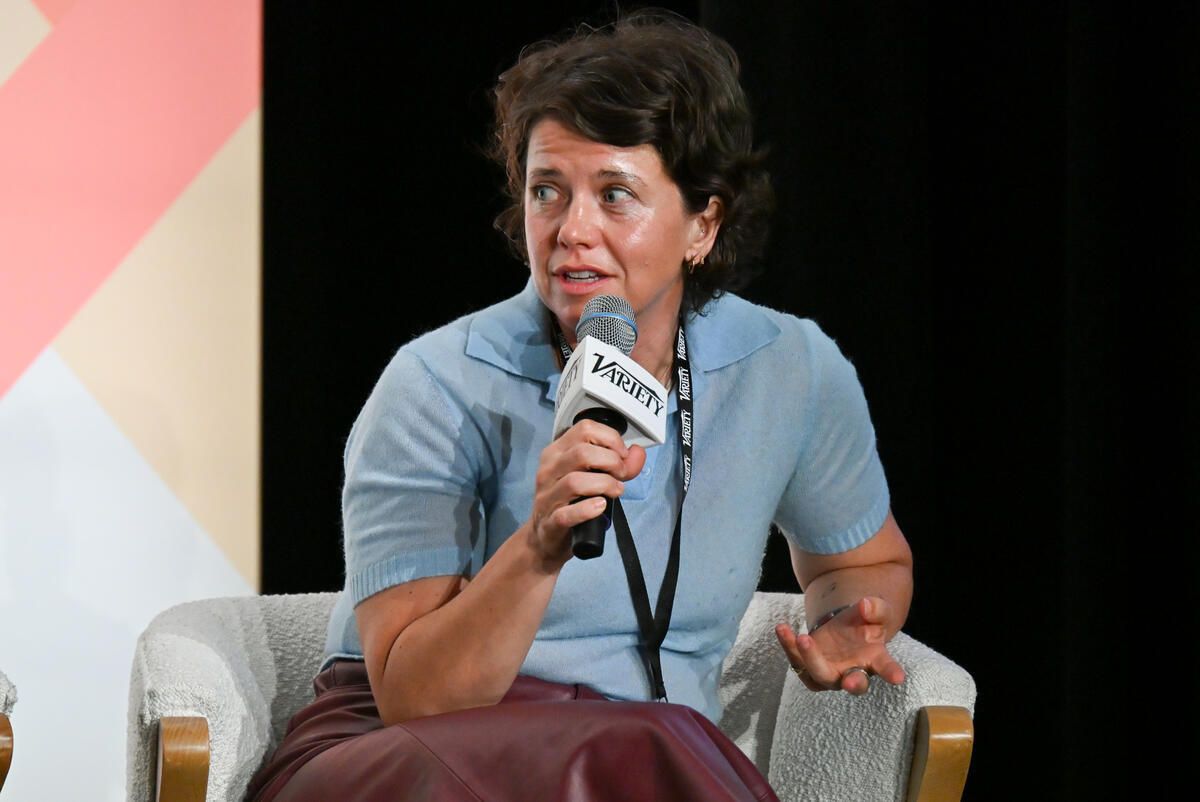
This tension is echoed by leading technology minds who are navigating the complexities of this new frontier. Mira Line, Google’s vice president of technology and society, has weighed in on the speed of this development, offering a perspective that cuts straight to the core of the matter.
“I think the word AI is doing too much right now,” Line observes. Her statement highlights a critical point: the pace of AI development is outpacing our current ethical, legal, and societal frameworks. The sheer capacity of these systems to mimic and generate content demands a careful reevaluation of where the line between assistance and autonomy lies.
The implications for entertainment are vast. On one side, AI offers tools that can democratize creation, allowing individuals to bring complex, imaginative ideas to life with unprecedented speed and accessibility. It can act as a powerful brainstorming partner, handling tedious production tasks and unlocking new aesthetic possibilities.
On the other side, there are serious concerns about the authenticity of the final product. If an algorithm can generate a perfect scene or a compelling melody, who owns the creative intent? The debate centers on whether the human experience—the emotional depth, the intentionality, and the unique perspective that defines great art—can be replicated by code.
The industry is currently in a dynamic phase of discovery, attempting to define the rules of engagement for these new tools. This exploration is essential to ensuring that AI serves as an amplifier for human creativity, rather than a replacement for the unique voices and perspectives that drive the art world.
Ultimately, the future of entertainment will likely not be defined by AI replacing human artists, but by the sophisticated, ethical way humans choose to collaborate with it. The challenge now is to harness this powerful technology responsibly, ensuring that the magic remains inherently human.
Buy on Amazon
Credit
