Everest The Other Side First Look Visuals
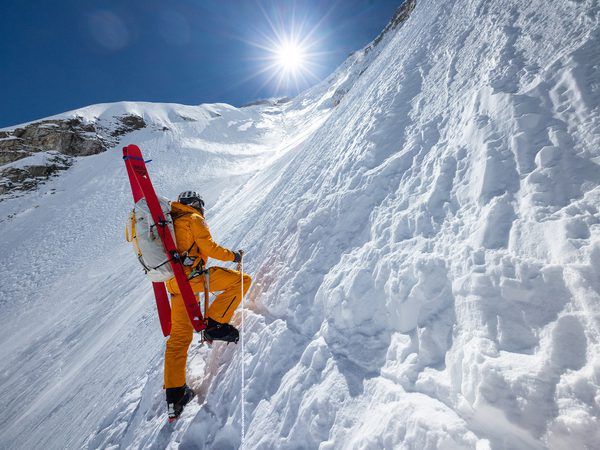
The allure of the summit, the primal drive for human achievement, often overshadows the very human cost. This tension is powerfully explored in the latest adventure from filmmaking duo Elizabeth Chai Vasarhelyi and Jimmy Chin: Everest: The Other Side.
Known for pushing the boundaries of cinematic reality, Vasarhelyi and Chin have built a reputation by capturing the raw intensity of extreme sports. Their latest venture takes them to the deadly heights of Mount Everest, following mountaineers Jim Morrison and Hilaree Nelson as they attempt to conquer the notoriously treacherous north side of the world. While the footage is undeniably breathtaking, critics suggest the documentary misses a crucial opportunity to delve into the deeper, darker questions surrounding such pursuits.
The journey begins with a blend of misty-eyed romanticism. Morrison and Nelson’s relationship was already navigating personal turmoil, and Nelson’s extreme passion for mountaineering was a reflection of an unshared life. Despite the growing apprehension—especially from Hilaree Nelson’s youngest son, who worried about his mother’s risks—they set off on their dream expedition. This foreshadowing of inevitable tragedy is stark: before they could fully commit, Nelson was tragically killed by an avalanche during a training trip in Nepal.
Heartbreak quickly gives way to grim determination. Despite the devastating loss, Morrison resumes preparations for the Everest climb, determined to fulfill what he believed was his partner’s dream. Yet, the narrative delves into the uncomfortable reality that the pursuit of glory often eclipses the very lives it is meant to honor. The film reveals that Morrison had endured substantial personal grief prior to this journey, raising questions about whether his obsession with extreme danger was a coping mechanism, or perhaps, a result of it.
The expedition itself was fraught with peril, further exposing the ethical shadows cast by Everest. A major attempt was foiled when one of the Nepalese sherpas, essential to the logistics of the expedition, suffered a broken leg in an avalanche. This incident serves as a stark reminder of the exploitation inherent in Everest expeditions, a reality that the filmmakers acknowledge but do not deeply interrogate.
Instead of focusing solely on the spectacle of human achievement, Vasarhelyi and Chin are asked to confront the uglier truth: Morrison and Nelson’s undertaking was fundamentally a selfish pursuit that prioritized personal glory over the well-being of their families. The film frames their ascent not as a noble calling, but as an act that left two children to grow up without their mother.
The documentary’s true power lies in forcing the audience to consider the psychological weight of this choice. When we witness the pursuit of greatness, we must ask why we allow the potential for tragedy and the psychological toll on loved ones to be sidelined. The film suggests that the pursuit of individual achievement, while seemingly majestic, can be deeply irresponsible when measured against the price paid by those left behind.
Buy on Amazon
Credit