Facing genocide’s horrors in Naza review
There are films that observe history, and then there are films that force you to confront the machinery of genocide. Yuval Abraham and Rachel Szor’s powerful documentary, NAZA”>NAZA, falls firmly into the latter category. It is a stark, unflinching examination of the Israeli war machine and the chilling apathy that accompanies the taking of innocent civilian lives.
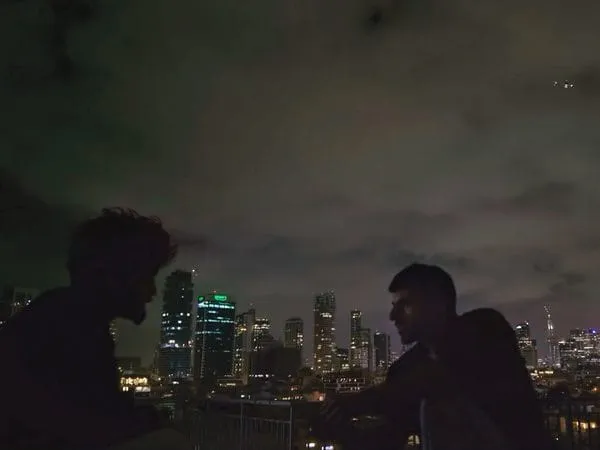
The film immediately establishes a tone of profound darkness. For a significant portion of the runtime, viewers are immersed in the sounds emanating from dimly lit rooftops in Tel Aviv. These voices, belonging to former IDF soldiers, are digitally modified to shield their identities, a reflection of the secrecy and moral void surrounding the conflict.
The film’s title, NAZA”>NAZA, is central to its meaning. It is the acronym used by Israeli army forces to denote possible civilian casualties resulting from a planned strike. This stark reality grounds the narrative in devastating statistics: the number of Palestinians killed by Israeli attacks currently sits at over 76,000, a number that continues to escalate daily.
This visual strategy deliberately contrasts with the almost blinding clarity of the filmmakers’ previous work, No Other Land, which won the Academy Award for Best Documentary Feature Film in 2025. By pursuing NAZA>, Abraham and Szor shift their focus from documenting the occupation to directly confronting the horrors committed by their government and the immense weight of that responsibility.
The structure of the documentary is deeply informed by cinematic and journalistic theory. The filmmakers draw on the concept of The Zone of Interest>, recognizing that the victims of great barbarity remain hauntingly present, even when the camera focuses on the perpetrators. Furthermore, they engage with Laura Poitras’s dissection of the difference between journalism and documentary, exploring Poitras’s idea of NAZA> resides in the deliberate use of silence and stark juxtaposition. The film forces viewers to absorb a flood of information—from high-ranking officials discussing ethnic cleansing to confessions from soldiers and technicians—interspersed with chilling soundscapes. There is no music, only the screeching of marker tips and the quiet realization of mundane security systems responsible for genocide.
Prodded by Abraham’s incisive questioning, the film pulls back the veil, revealing the grim mechanisms at play. Witnesses share how artificial intelligence programs were used to help those tasked with assassinations wash their hands of guilt, and how soldiers confessed to averting their gaze while dogs gnawed on dead bodies.
When the light finally floods the screen, it brings no solace. The final images do not offer comfort but stark, undeniable evidence of the consequences of these actions. A teddy bear peeks from rubble as a father cries for his son, Sa’id>, and a little boy, made NAZA>, too. NAZA>is a devastating testament to the human cost hidden within the machinery of war.
Buy on Amazon
Credit