Falling House first look visual review
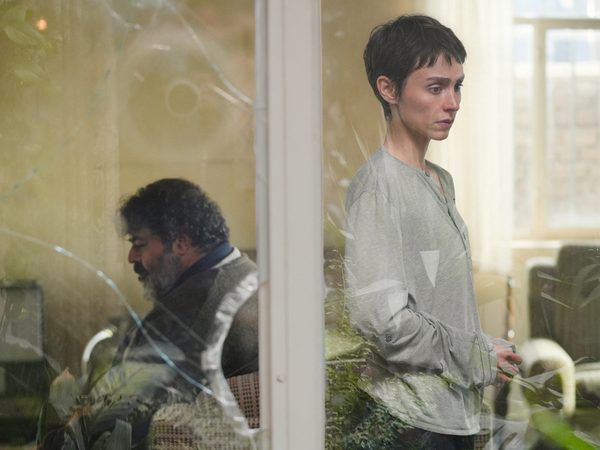
In the quiet, often suffocating landscape of Tehran, a family’s seemingly mundane plans can explode into a profound struggle for freedom. This is the tense domestic drama of Falling House, a cinematic exploration that uses a family’s impending relocation as a crucible to examine the immense pressures placed upon Iranian women.
On the outskirts of the city, a family of four prepares for a major change. While the external logistics of moving house take precedence, a far more critical journey is underway for the eldest daughter, Ensi. With the support of her mother, Zinat, Ensi has made the bold decision to leave Iran entirely, chasing dreams of a modelling career abroad. Her younger sister, Jannat, watches this escape with a mixture of apprehension and burgeoning excitement for the newfound freedom.
This pursuit of autonomy immediately collides with the rigid structure imposed by their father, Rashid, a prison officer. Rashid, who initially projects the image of a loving patriarch, finds his world shattered when he learns of his daughter’s plans. The domestic setting transforms instantly; the family home, meant to be a sanctuary, becomes a reflection of Rashid’s institutional role, effectively becoming an extension of his workplace and a cage for his family.
The tension escalates dramatically as Rashid’s personal moral conflict intersects with his professional duties. He is driven by an unshakeable worldview that struggles to accommodate the suffering of those he loves, leading him to transform from a supportive figure into a stern jailor. He attempts to impose his rigid beliefs on his family, first confining Ensi, and then Zinat and Jannat, justifying their imprisonment as necessary for their own well-being.
The narrative powerfully captures the irony of this situation. The women, banding together, fight for their freedom, seeking to free their father from prison following corruption allegations. They are acutely aware that their current predicament—their fight for liberation—is rooted in the very system that binds them. If they had left him incarcerated, they would not be facing this suffocating reality.
At its core, uses the family home as a potent metaphor for Iranian life, illustrating the struggle for autonomy against unmovable societal forces. Rashid’s internal conflict shows how deeply personal beliefs can blind an otherwise rational man to the suffering of those closest to him simply because those experiences do not fit his narrow worldview.
The film maintains a repetitive, gripping edge, focusing on a dynamic where the tension is caught between two stark outcomes. While elements like Ensi’s recent cancer diagnosis add emotional weight, the film’s strength lies in its raw portrayal of this fundamental struggle. It is a fitfully arresting cinematic experience, offering a powerful look at the constraints of destiny and the immense strength required by women striving for emancipation.
Buy on Amazon
Credit