FIFA Scraps Controversial World Cup Commercial Plan
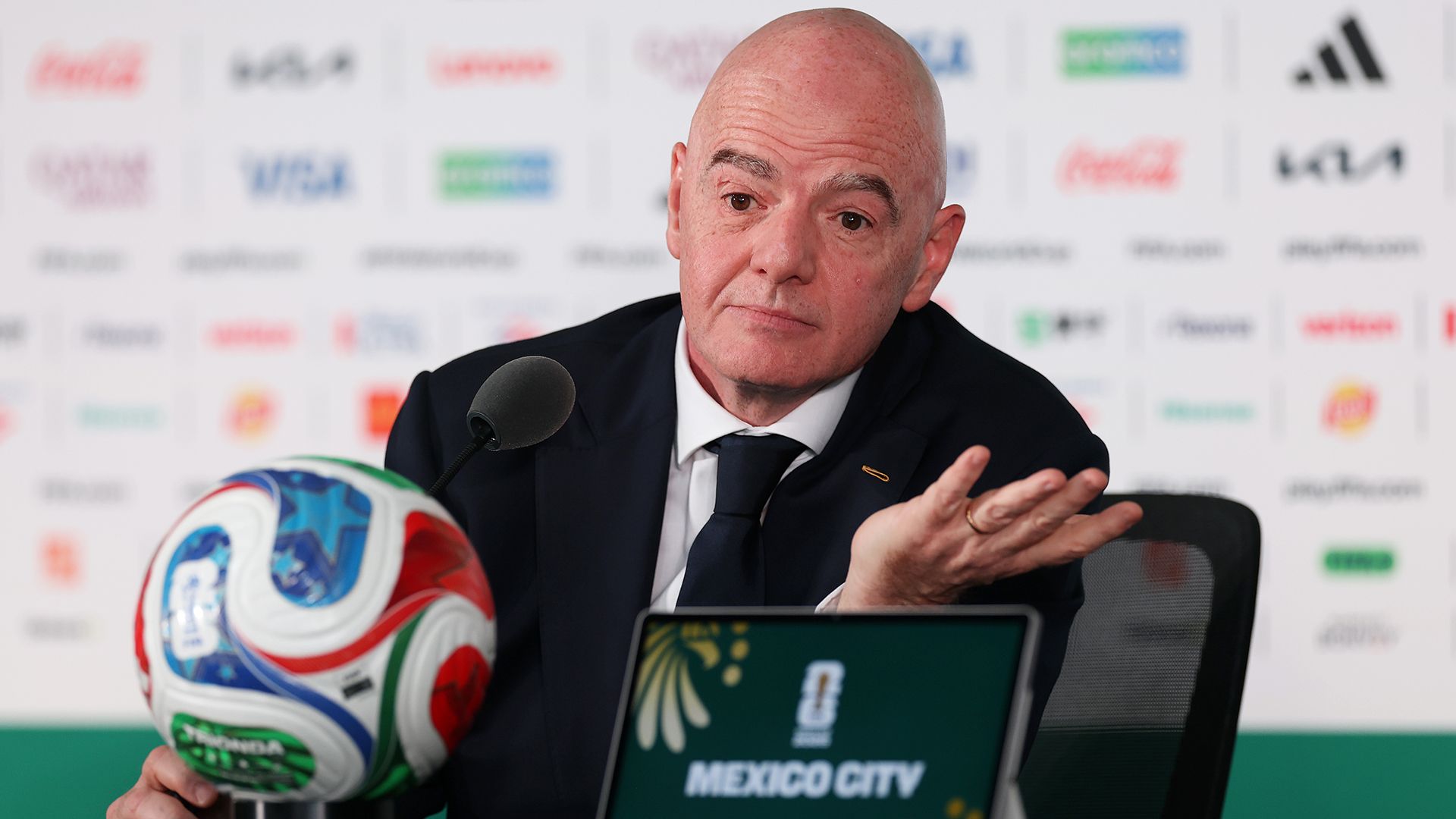
The pursuit of massive commercial opportunities in global sports often comes with intense scrutiny, and recently, the world of soccer was center stage for a significant corporate showdown.
FIFA made a decisive statement on Friday, halting plans to establish a $20 billion commercial arm for the sport’s world governing body. This ambitious proposal aimed to generate revenue by selling ownership stakes in major events, including the World Cup and various other global tournaments, directly to private investors.
The decision immediately drew significant reaction from influential soccer confederations worldwide. These bodies voiced strong criticism regarding the proposed shift toward privatization of core sporting assets.
The debate highlights a fundamental tension within the world of football: balancing the need for financial sustainability with the imperative to maintain the integrity and collective ownership of the game.
For years, discussions surrounding the commercialization of soccer have involved complex negotiations about how revenue generated from global events is distributed. The push for a centralized, massive commercial structure was seen by many stakeholders as potentially jeopardizing the long-term stability of the sport.
The confederations’ concerns were rooted in ensuring that financial strategies align with the interests of the participating nations and the wider community that supports the sport.
Ultimately, FIFA chose not to move forward with this particular plan, signaling a preference for maintaining established governance structures over a rapid commercial overhaul.
This outcome underscores the ongoing effort by global soccer bodies to find a path that is both financially viable and socially responsible, ensuring that the passion of the game remains at the heart of its operations.
Credit