Fincher stalls Mindhunter S3 over finances
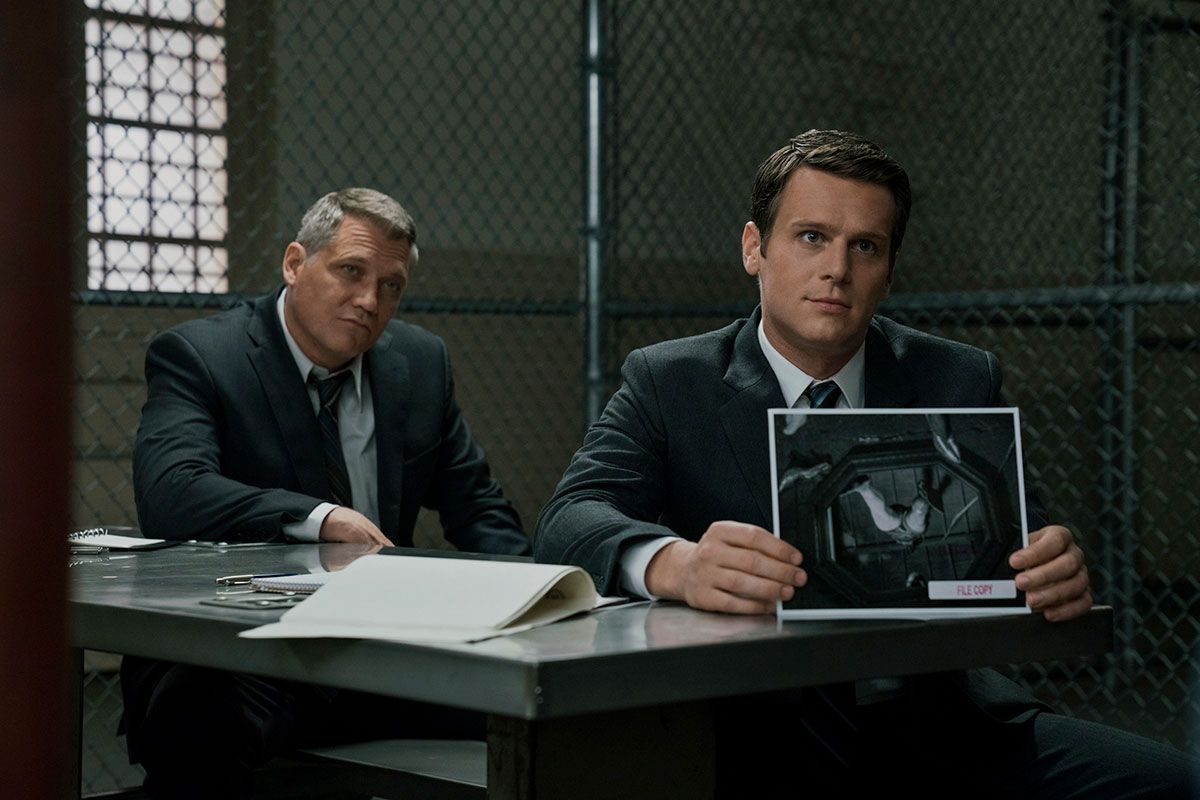
The fate of a critically acclaimed series often mirrors the complicated, sometimes frustrating, dynamics between artistic vision and commercial strategy. For David Fincher’s deeply unsettling series Mindhunter, that fate took a decidedly uncertain turn when plans for a third season stalled, leaving fans in a state of hopeful limbo.
After the success of its first two seasons, the question of a follow-up lingered. While the series had found an audience, the path to a third installment proved unexpectedly blocked, leading to a prolonged pause in production.
In late 2020, Fincher himself reflected on the decision, citing a combination of creative exhaustion and the financial realities of the project. He suggested that the ultimate decision was weighed between the high cost of the series and its viewership figures, leading to an indefinite hiatus.
The resulting decision sparked considerable backlash from the dedicated fanbase, leading to widespread speculation about why the opportunity to expand the narrative was missed. However, the story behind the hiatus wasn’t solely about cost or audience numbers.
Netflix CEO Ted Sarandos later offered insight into the internal landscape, suggesting that the delay was less about the series’ appeal and more about the creator’s demanding schedule. Sarandos indicated that Fincher’s meticulous nature and commitments to other major projects meant that fitting a third season into his demanding creative rhythm proved to be the main hurdle.
Sarandos expressed a personal wish that had been shared by many viewers: “It’s not a part two, it’s a part three that I wish we would’ve got to,” he noted. He acknowledged that Fincher’s intense focus on other cinematic endeavors, such as his film work, naturally pushed the series into an indefinite pause.
Despite the pause, the connection between Fincher and Netflix remains strong. The creator and the streaming giant continue to collaborate on other major ventures, including the follow-up to Once Upon a Time in Hollywood and other projects, demonstrating that the creative relationship endures, even when series development takes time.
Buy on Amazon
Credit
