First Look Horror Visuals Review
The Face of Horror: Where Makeup Meets Misogyny in Anna Biller’s Latest Masterpiece
In the world of cinema, some films are simply stories, but others are visual manifestos. Anna Biller has consistently pushed boundaries, turning the art of makeup into a profound commentary on femininity and power. Her latest offering, The Face of Horror, is a vivid exploration of this theme, adapting the classic Japanese ghost story Yotsuya Kaidan and injecting it with a strikingly modern examination of gender roles.
Biller’s earlier work, such as The Love Witch, established her unique vision: that skin-deep artistry is far more revealing than surface-level beauty. In those films, statement eyeshadows and meticulously applied foundation don’t just adorn the face; they illustrate the allure and the trap of femininity, reflecting the complex relationship between women seeking love and men drawn by it.
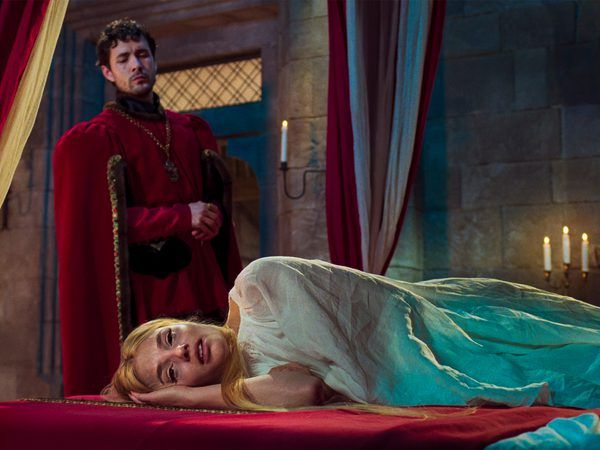
Now, in The Face of Horror, this visual language is amplified. The film centers on Eleanor, a woman navigating a medieval landscape where appearance dictates destiny. As she experiments with cosmetics—lightening her complexion with cream, applying crushed red powders—she engages in a powerful visual dialogue with the world. Her transformation is not merely cosmetic; it is a performance of identity, a quest to understand how external presentation shapes internal reality.
The narrative weaves a complex tapestry of desire and retribution. Eleanor’s journey is shadowed by male lust and the harsh realities of societal constraints. The film brilliantly dissects the primal forces at play, exploring how gender norms influence power dynamics and the tragic consequences of both attraction and rejection.
The film’s visual style echoes a rich history of cinematic sensuality. It draws from the legacy of exploitation cinema, specifically the moody, gothic atmosphere of Hammer Films and Roger Corman. Biller reinterprets these visual tropes, using bold primary colors and stylized lighting to evoke a medieval world marked by plagues and castles, giving the story a sumptuous, yet unsettling, quality.
The visual execution is phenomenal. The film utilizes makeup as a critical tool, presenting Eleanor’s duality—demonic and angelic—as a manifestation of the misogyny, fear, and guilt inflicted by Edward, her husband. The physical transformation becomes a far more eloquent statement about attraction and repulsion than any dialogue.
By focusing on the grotesque and the beautiful side-by-side, The Face of Horror steps into the lineage of these historical films, turning their psychosexual undercurrents into compelling gender-essentialist homilies. It is a deeply layered look at how organized religion and patriarchy have historically justified the subjugation of women, all reflected in the haunting, unforgettable face of Eleanor.
Buy on Amazon
Credit