First Look Mission Action Review
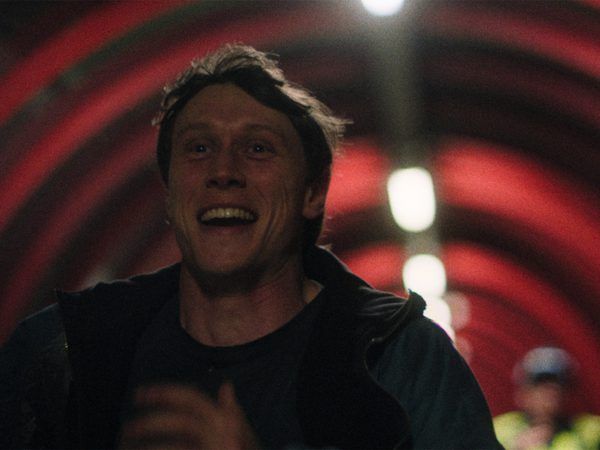
There is a specific kind of disillusionment that doesn’t vanish with a weekend getaway. It is the slow, grinding sensation of living a life that feels unchosen, waiting for a purpose that stubbornly refuses to arrive. Paul Wright’s Mission doesn’t just explore this feeling; it detonates it, plunging the audience into a week-long, visceral descent into one man’s complete unravelling.
At the heart of the film is Dylan, a waiter adrift in the urban landscape, unable to reconcile the mundanities of everyday existence. Estranged from his sister, Claire, and trying to endure the slimy demands of his boss, Dylan finds an unbearable itch beneath the surface. His quest is simple yet profound: find a reason to keep living, or risk letting go entirely. What he truly craves is proof of his own existence—a feeling he once experienced as a boy, glimpsing the true meaning of life in a fleeting moment.
The journey away from this stasis is a journey into the absurd. Woven through the narrative are fleeting, nostalgic flashbacks of Dylan as a child with his sister, moments that serve as a stark contrast to the chaotic present. As Dylan searches for this lost sense of self, his behavior spirals into escalating acts of theatrical absurdity: stealing a monkey, engaging in desperate stand-offs, and pursuing bizarre rituals. The film becomes an attack on the senses, splicing chaotic archival footage of riots and protests with an abrasive soundtrack, making the past and present merge into a single, anxious static.
His interactions with strangers transform into increasingly volatile encounters. Dylan engages in acts that push boundaries—from karate-kicking a police officer to waving knives around a house party—yet nothing ever seems to catch up with him. This unsettling absence of consequence forces the audience to question whether these events are real, or simply a distorted reflection of the reality he wishes to inhabit.
When Dylan attempts to reconnect with Claire, she remains more frightened than moved by his obsessive grip on the past. She has seemingly found a peace with the compromises of adulthood, a quiet acceptance that Dylan cannot seem to grasp. The film reveals that the pressure of societal expectations—the hollow rituals of hospitality work and the inescapable demands of a world that expects stillness—is what truly drives Dylan’s unraveling.
Mission ultimately lands at a moment when loneliness is recognized not as an isolated affliction, but as an epidemic. It captures the hunger of a generation raised on screens, openly starving for something real. Dylan’s desperate hunger becomes a louder, more intense version of the quiet anxieties many people live with. It is a sympathetic, if uncomfortable, gamble, asking us to root for someone who seems to be experiencing real harm, making the film intensely singular.
Buy on Amazon
Credit