First Look: The Last Photograph Visual Review
For two decades, Zack Snyder has poured his considerable creative energy into a passion project that has landed squarely in the realm of the unforgettable: The Last Photograph. But amidst the epic scope and gritty action, the film ultimately settles into a narrative that, for some viewers, feels less like a cinematic triumph and more like an excruciatingly slow, turgid slog.
At its heart, the story begins with an intimate moment—a photograph. Ethan Black (Stuart Martin) and Catherine (Costanza Andrade) share a moment of instinctive, animal passion before parting ways. That final image, a nude, becomes the anchor for a journey that spirals far beyond simple memory. As Ethan navigates his subsequent life, leaving behind his old identity as a DEA agent for a quiet existence in Iceland, that photograph serves as a potent, haunting reminder of lost innocence.
This emotional thread twists into a far darker path. Ethan’s quest is fueled by the brutal realities of the Global South, leading him into a world where guilt over the fate of his brother and Catherine—and the abduction of their family—forces him onto a morally ambiguous path. He seeks out the photographer Joe Wallace, a man who witnessed unimaginable horrors, to help him track down Catherine’s daughter. This mission transforms into a chase, a loose, harrowing remake of The Searchers, where Ethan’s dark obsession with rescuing a lost girl mirrors the violent pathology of the American West.
Snyder recontextualizes this pursuit, casting Ethan not as a mythic cowboy, but as a complex, almost Christlike figure. Trapped between the brutal violence of the jungle and the spiritual weight of his guilt, he becomes a messianic figure, seeking to unburden himself of the bloodshed he has committed. The film constantly cycles through symbolic lost lambs, weaving a narrative that asks whether vigilante action is a necessary response to systemic cruelty.
The film’s visual language, however, presents a fascinating tension. While the narrative deals with epic violence and religious iconography, the cinematic execution often leans into the stark and the mundane. Snyder, who has worked on similar material for years, rendered the Colombian setting in a palette of muddy colors, favoring cramped, handheld action over the splashy virtuosity that has previously defined his reputation. Action scenes are often disjointed and raw, emphasizing the visceral chaos rather than polished spectacle.
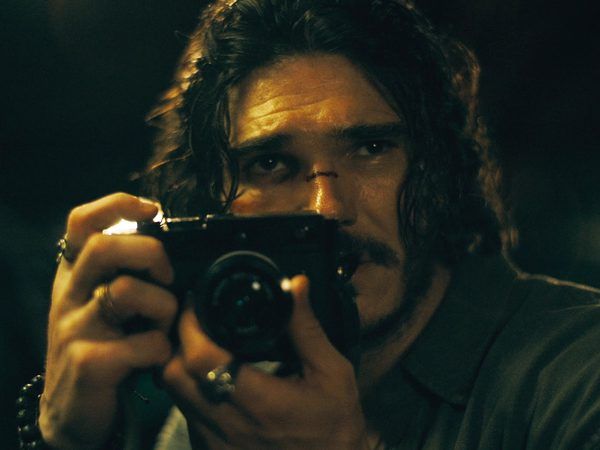
The camera itself becomes a character, particularly through the lens of Joe Wallace. As Ethan and Wallace track down their quarry, the photographer shifts from a detached bystander to an active participant, driven by adrenaline. This transformation mirrors Ethan’s own journey from moral anguish to decisive action. In the end, The Last Photograph offers a harsh, unforgettable meditation on power, morality, and the enduring, often brutal, consequences of history, proving that some photographs are not just moments captured, but eternal scars.
Buy on Amazon
Credit