First Look Visuals: A Bit of Light Review
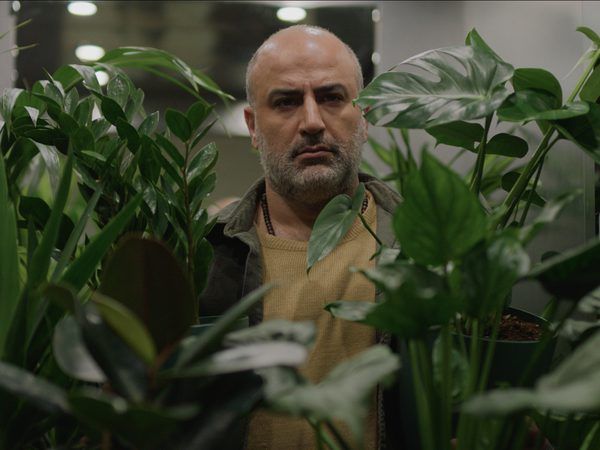
In the shadow of political upheaval, the deepest scars are often not visible, but deeply felt. This is the haunting reality faced by Arash (Missagh Zareh), a once-reputable physician whose life was fractured by the trauma inflicted by Iran’s theocratic regime.
After being caught treating wounded protestors, Arash found his medical practice sealed off by the government and himself arrested. The film A Bit of Light takes us on a stark journey, focusing on a single day in the aftermath of this ordeal, as Arash grapples with a profound sense of nihilism—the realization that his life, in its current form, is no longer worth living.
With his affairs hastily arranged, Arash decides to share his impending fate with his family. He seeks to do them a kindness by forewarning his mother and three siblings of his decision. He meticulously distributes his most valuable worldly possessions, handing over the deed to his apartment, the keys to his car, and even his beloved pet cat, intent on ensuring their peace.
Yet, despite the gravity of the situation, Arash’s internal landscape remains an impenetrable fortress. The narrative carefully portrays him as a stoic figure, offering little outward indication of the immense despair churning beneath the surface. We only glimpse the remnants of his former life through secretive visits to his ex-patients and the abandoned medical practice, where scattered files and blood-soaked gauze hint at a life violently interrupted.
This emotional restraint, while perhaps intentional, creates a robust barrier that makes the depth of his despair difficult to fully grasp, even knowing the stakes are so high.
The story’s true tension is perhaps found in the reactions of the family. When faced with Arash’s impending demise, his siblings and mother react with a melodramatic inertia. Their grief appears more like performance than genuine desperation, failing to match the enormous weight of the tragedy unfolding.
This disconnect between the severity of Arash’s personal crisis and the family’s measured response highlights a central theme: the struggle to connect with profound suffering. For a story seeking to convey the raw power of family bonds, the film struggles to extract emotional potency from these relationships until the very end.
Ultimately, the film poses a poignant irony: it asks us to contemplate the grief of losing a man, yet it scarcely bothers to make that man’s emotional reality legible. It leaves the viewer grappling with the hollowness of a narrative that fails to fully translate the experience of deep human sorrow into compelling visual intimacy.
Buy on Amazon
Credit